Taper Fade Styles 2026- Clean Cuts That Slay

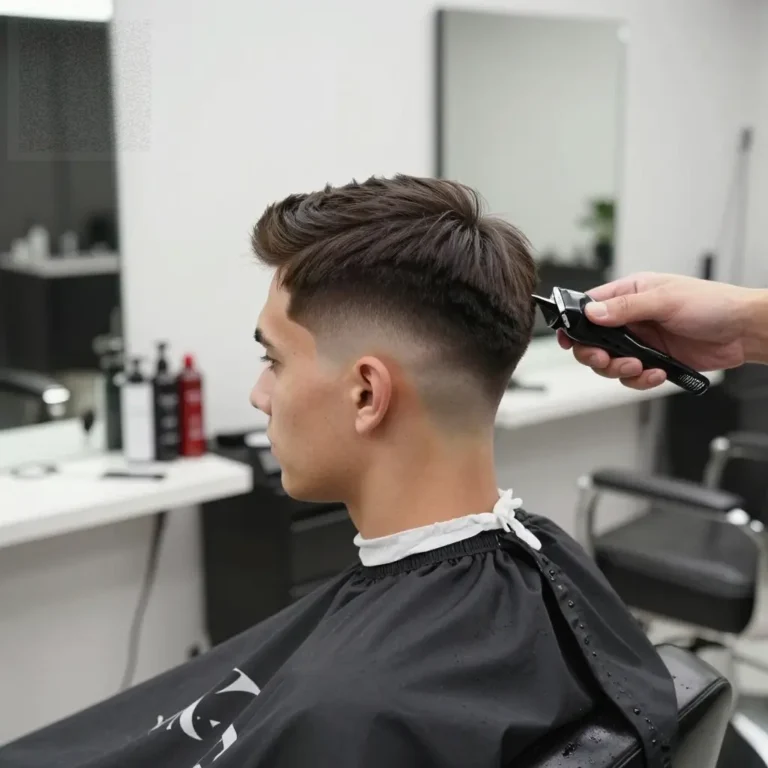
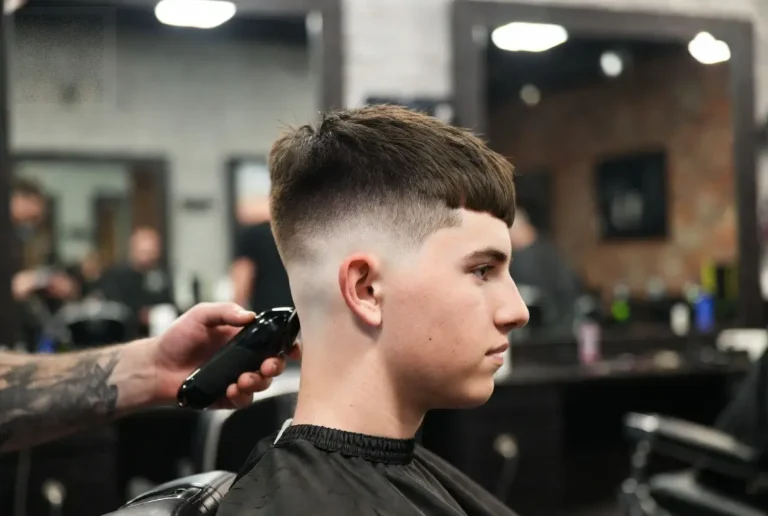
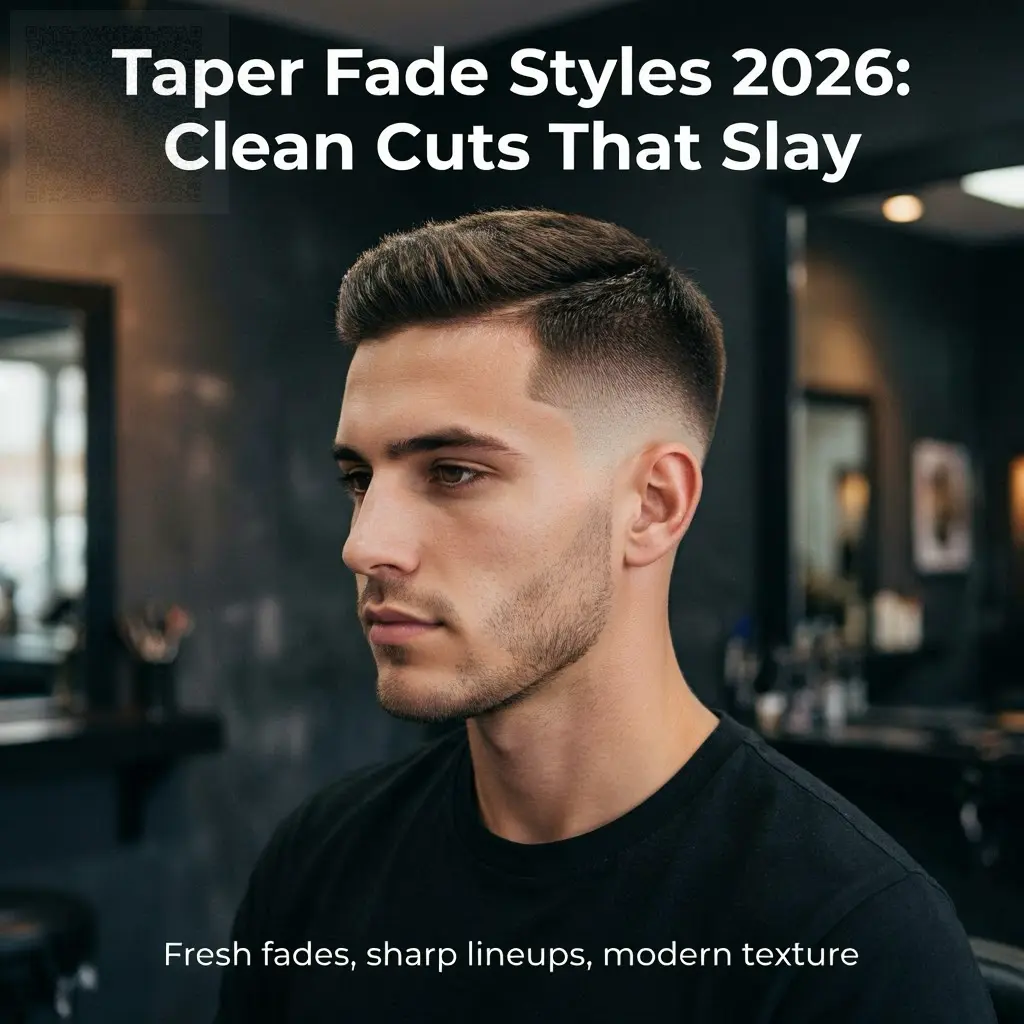
Taper fades continue to be one of the most versatile men’s haircuts in 2026. They create a clean transition around the temples and neckline while leaving more length on the sides and top. This makes the style easy to personalize, whether you prefer a subtle professional cut or a sharper, more noticeable look.
One of the biggest advantages of a taper fade is its flexibility. It can work with straight, wavy, curly, or textured hair and can be paired with styles such as a slick back, textured crop, pompadour, comb over, or longer natural top.
What Is a Taper Fade?
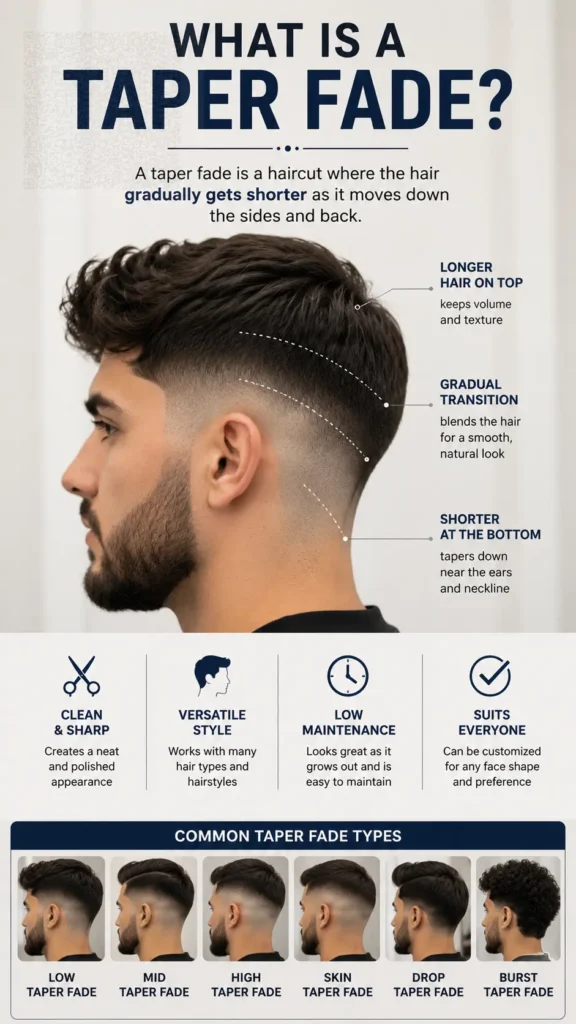
A taper fade gradually reduces the length of the hair around the temples, sideburns, and neckline. Instead of creating one harsh line, the barber blends the shorter hair into the longer sections for a smooth transition.
The amount of fading can be adjusted to suit your preferred look. A low taper keeps the change subtle, while a mid or high taper creates more contrast.
Before your appointment, it helps to show your barber a reference photo and explain how much length you want to keep on top.
Popular Taper Fade Variations
Low Taper Fade

A low taper fade keeps the transition close to the ears and neckline. Because less hair is removed from the sides, the result looks natural and understated.
It is a great choice if you want a polished haircut that works equally well in professional and casual settings.
Best for:
- A subtle, clean appearance
- First-time fade clients
- Professional workplaces
- Oval, round, and square face shapes
- Men who want to keep more fullness around the sides
Mid Taper Fade
A mid taper begins higher than a low taper, creating a little more contrast between the sides and the top. It offers a balanced look without becoming as dramatic as a high fade.
This option works especially well with textured, wavy, or curly hair because the cleaner sides help emphasize the texture on top.
Best for:
- Medium contrast
- Textured or curly hairstyles
- Casual and professional looks
- Men who want a versatile everyday haircut
High Taper Fade
A high taper creates a stronger contrast by bringing the shorter section higher toward the temples. More of the sides are tapered, making the longer hair on top stand out.
It pairs particularly well with textured tops, slick backs, pompadours, and other hairstyles that benefit from noticeable contrast.
Best for:
- Bold and modern looks
- Thick hair on top
- Textured hairstyles
- Oval and longer face shapes
Skin Taper Fade
A skin taper fade takes the shortest section down to the skin, creating a crisp and high-contrast finish around the temples or neckline.
Because the transition is so visible, this style benefits from an experienced barber. The clean appearance also requires regular maintenance as the hair grows back.
Taper Fade Styles for Different Hair Types
Taper Fade for Curly Hair

Curly hair and taper fades make a strong combination. Keeping the curls longer on top preserves their natural shape, while the tapered sides create a cleaner outline.
Ask your barber for a low or mid taper if you want to maintain plenty of curl around the sides. A small amount of curl cream or defining gel can help enhance the texture without making the hair look heavy.
Taper Fade With a Textured Top
A textured top adds movement and volume while the taper keeps the sides neat. This combination is particularly easy to personalize because the top can be worn messy, brushed forward, or styled upward.
For a natural finish, work a small amount of matte clay or styling paste through the hair with your fingers.
Taper Fade for Straight Hair
Straight hair highlights the clean lines of a taper fade. A low or mid taper works especially well with a slick back, side part, comb over, or textured top.
If your hair tends to lie flat, a lightweight volumizing product can help create more lift without making the style look overly stiff.
Popular Taper Fade Styles in 2026
Taper Fade Slick Back
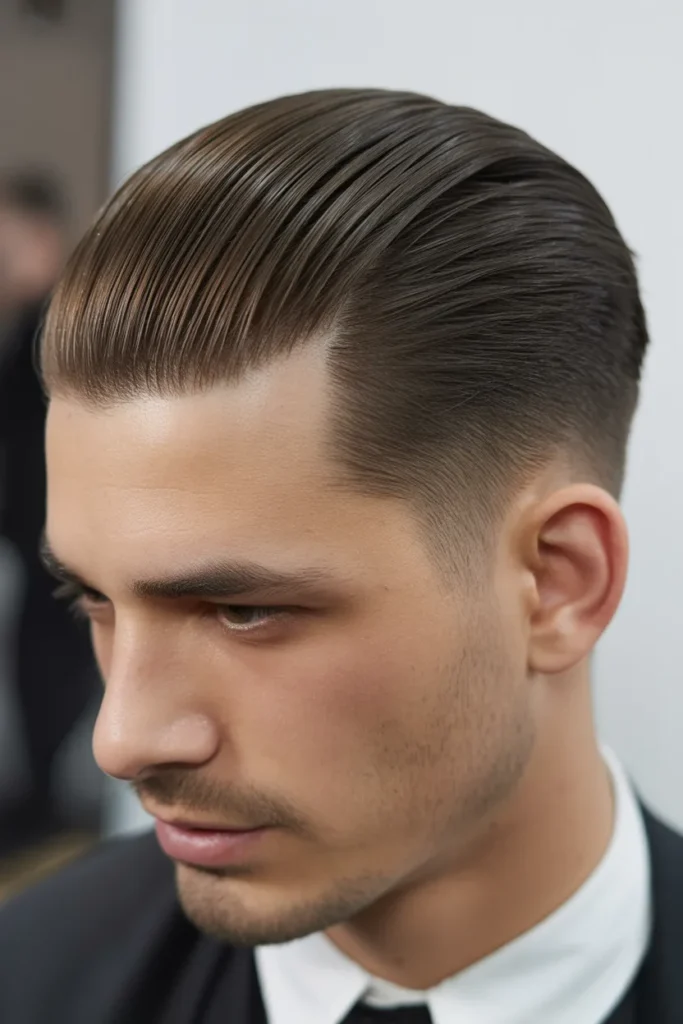
The slick back gives a taper fade a polished and timeless appearance. Keep the sides neatly tapered while brushing the longer top backward.
For a softer finish, use a medium-hold styling cream or pomade instead of a high-shine product.
How to style:
- Start with slightly damp hair.
- Apply a small amount of styling product.
- Brush the hair backward while blow-drying.
- Add a little more product if you need additional hold.
Taper Fade Pompadour
A pompadour adds height and volume to the front while the taper keeps the sides controlled. The contrast creates a classic look with a modern finish.
A round brush and blow dryer can help build volume before applying a stronger styling product.
Taper Fade Comb Over
A comb over pairs naturally with a low or mid taper. The longer top is parted to one side while the shorter sides create a clean outline.
This is a particularly good option if you prefer a hairstyle that can transition easily from the office to a casual evening.
Blowout Taper Fade
A blowout taper combines volume at the top with a tapered finish around the sides and neckline. The hair is styled outward and upward to create a fuller, more relaxed silhouette.
A volumizing mousse and round brush can help create the necessary lift without making the hair feel overly stiff.
Taper Fade Edgar Cut
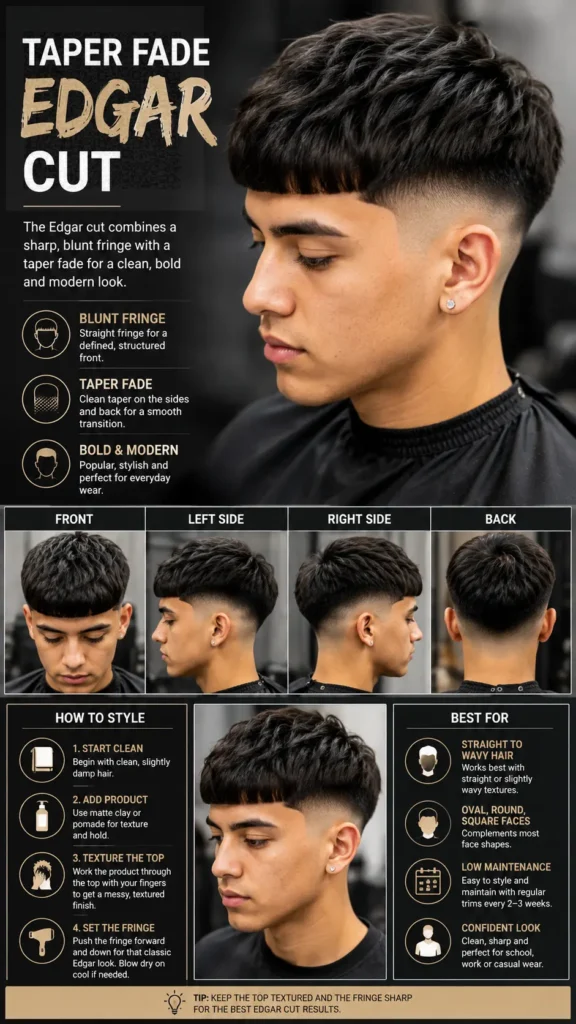
The Edgar cut is known for its defined, straight fringe across the forehead. Pairing it with a taper creates a sharp contrast between the structured top and cleaner sides.
This style works best when the fringe and overall shape are maintained regularly.
Drop Taper Fade
A drop taper follows the natural curve behind the ears instead of maintaining an even horizontal transition. This creates a more customized shape and works particularly well with textured or curly hair.
Burst Taper Fade
A burst taper creates a curved fade around the ears while leaving more length toward the back. It can be combined with curly hair, a textured top, or a mohawk-inspired style.
Because of its curved shape, it gives a more distinctive alternative to a traditional taper.
Taper Fade With a Beard
A taper fade can be blended into a beard for a cohesive grooming look. Your barber can either connect the fade directly into the beard or leave a small separation for more definition.
The best combination depends on the beard length:
- Stubble: Works with almost any taper height.
- Short beard: Pairs well with low, mid, or high tapers.
- Medium beard: A low or mid taper creates a balanced appearance.
- Full beard: A low taper can help maintain fullness while keeping the edges clean.
For the most polished result, ask your barber to shape the beard at the same appointment.
Taper Fade With a Line-Up
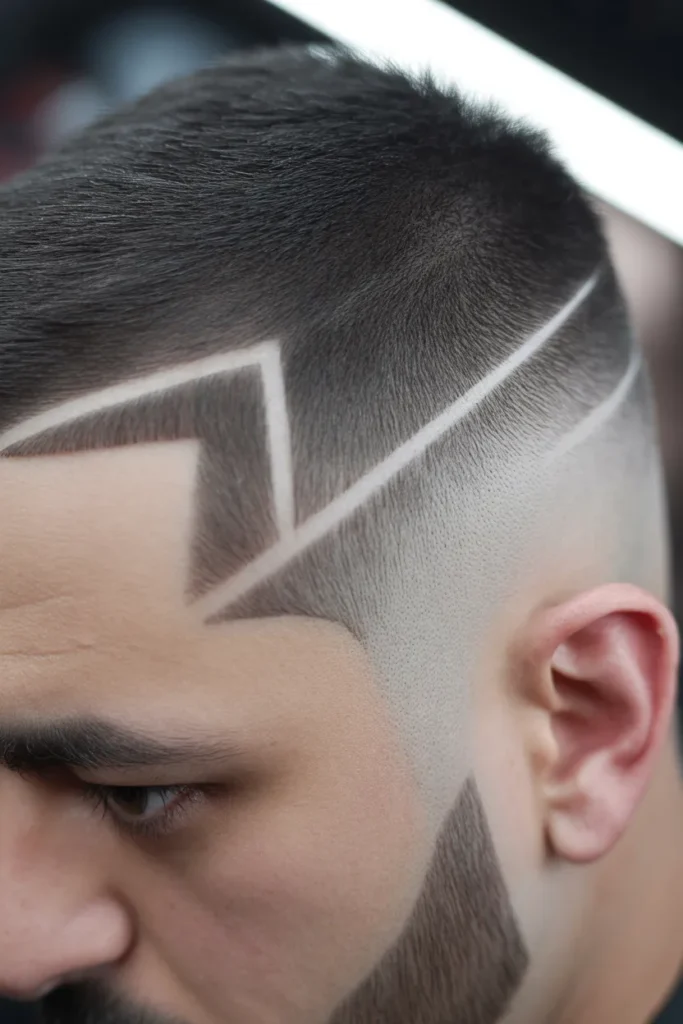
A line-up adds definition around the forehead, temples, and hairline. It can make an already clean taper look even sharper.
If you prefer a natural appearance, ask for a subtle line-up rather than an extremely defined edge. Your barber can adjust the finish according to your hairline and desired style.
Which Taper Fade Should You Choose?
The right taper depends on how much contrast you want and how you normally style your hair.
| Style | Overall Look | Good Match |
|---|---|---|
| Low taper | Subtle and natural | Professional, everyday styles |
| Mid taper | Balanced and versatile | Textured, curly, or straight hair |
| High taper | Bold and defined | Thick hair and modern styles |
| Skin taper | Crisp and high contrast | Sharp, clean-cut looks |
| Drop taper | Customized and rounded | Textured or curly hair |
| Burst taper | Distinctive and edgy | Curly tops, mohawks, textured styles |
How Often Should You Maintain a Taper Fade?
Taper fades look their sharpest when the edges are regularly maintained. Many people refresh the haircut every few weeks, depending on how quickly their hair grows and how precise they want the fade to look.
You do not necessarily need to completely change the haircut each time. A quick cleanup around the neckline, temples, and hairline can help extend the life of the style.
Final Thoughts
Taper fades are popular because they offer plenty of room for personalization. You can keep the sides subtle with a low taper, create more contrast with a mid or high taper, or choose a skin, drop, or burst variation for a more distinctive finish.
The best version is the one that works with your hair texture, face shape, lifestyle, and preferred level of maintenance. Before your next barber appointment, save a few reference photos and discuss the length and fade height you want. That simple step can make it much easier to get a result that suits you.

Stella Mary is a US-based hair care enthusiast and lifestyle writer at HairInspoHub, sharing trend-forward hairstyle tutorials, styling tips, and healthy hair rituals for women of every hair type. Specializing in Pinterest-inspired looks from bridal updos and effortless braids to heatless waves and sleek ponytails. She blends timeless elegance with everyday practicality. Her mission making gorgeous, confidence-boosting hairstyles accessible to everyone, one tutorial at a time.