
Face Framing Layers for Round Face: The Most Flattering Styles to Try

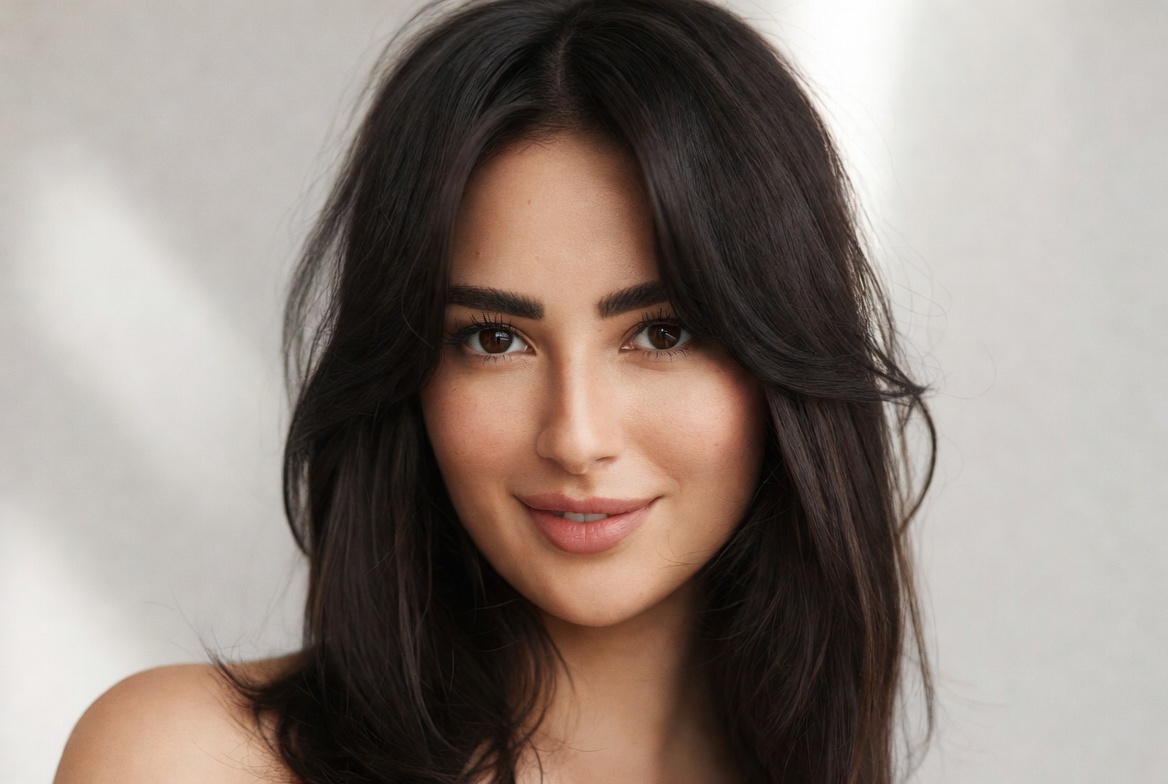
If you have a round face and want a haircut that feels softer, more balanced, and a little more sculpted, face framing layers for round face shapes can make a huge difference. The right front layers do more than just add movement — they help guide the eye, soften the cheeks, and create a more elongated look without taking away from your natural features.
That is exactly why face-framing layers are such a popular choice. They are versatile, flattering, and easy to customize for different lengths and textures. Whether you prefer long hair, medium hair, or a shorter layered cut, the right face-framing pieces can completely change how your haircut sits around your face.
In this guide, we will look at the best face framing layers for round face shapes, where those layers should start, what mistakes to avoid, and how to ask your stylist for the most flattering result.
What Makes a Round Face Shape Unique?
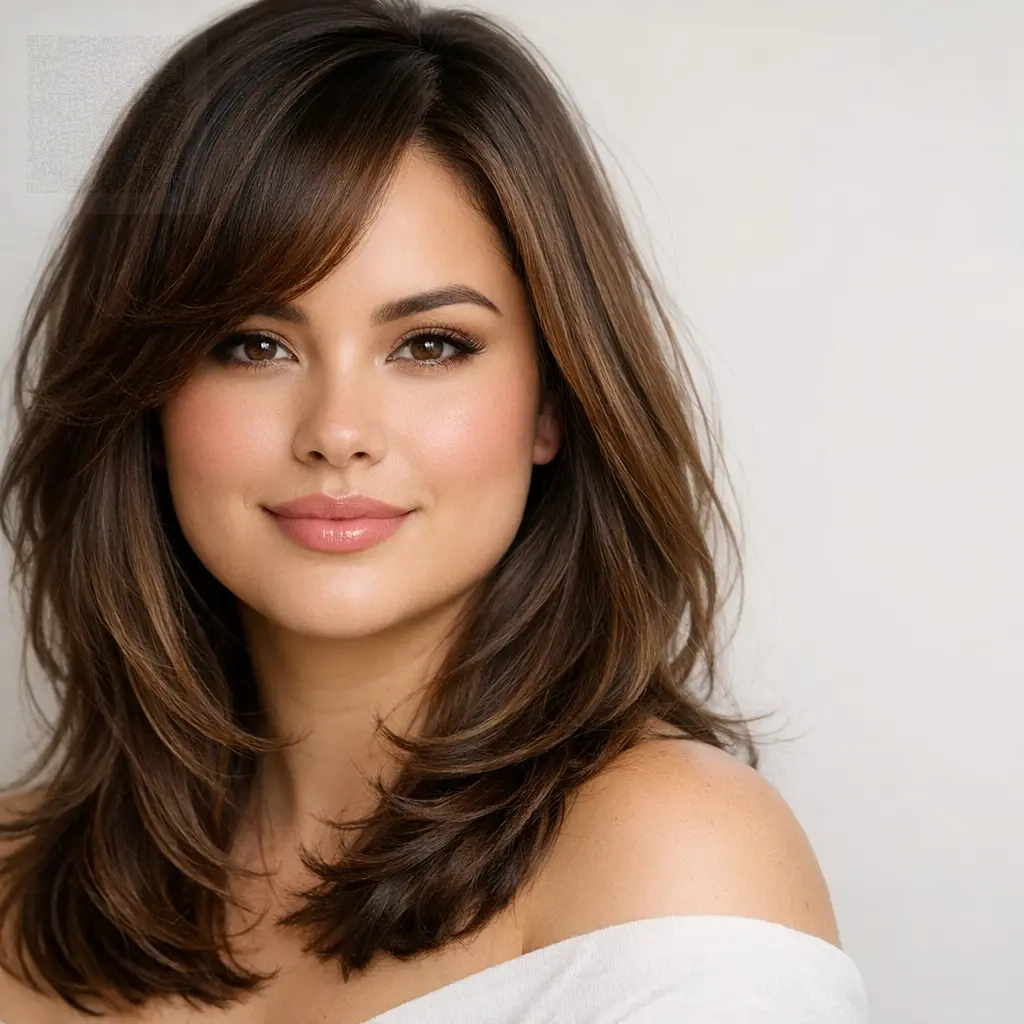
Before choosing the right haircut, it helps to understand what makes a round face shape different. A round face usually has:
- fuller cheeks
- a softer jawline
- similar width and length
- less angular definition
None of this is a bad thing, of course. Round faces often look youthful and soft. The goal with a haircut is not to “fix” your face shape — it is to enhance it in a way that feels balanced and flattering.
That is where face-framing layers come in. They can help create gentle vertical lines around the face, which often gives the overall look a little more length and definition.
Why Face Framing Layers Work So Well on Round Faces
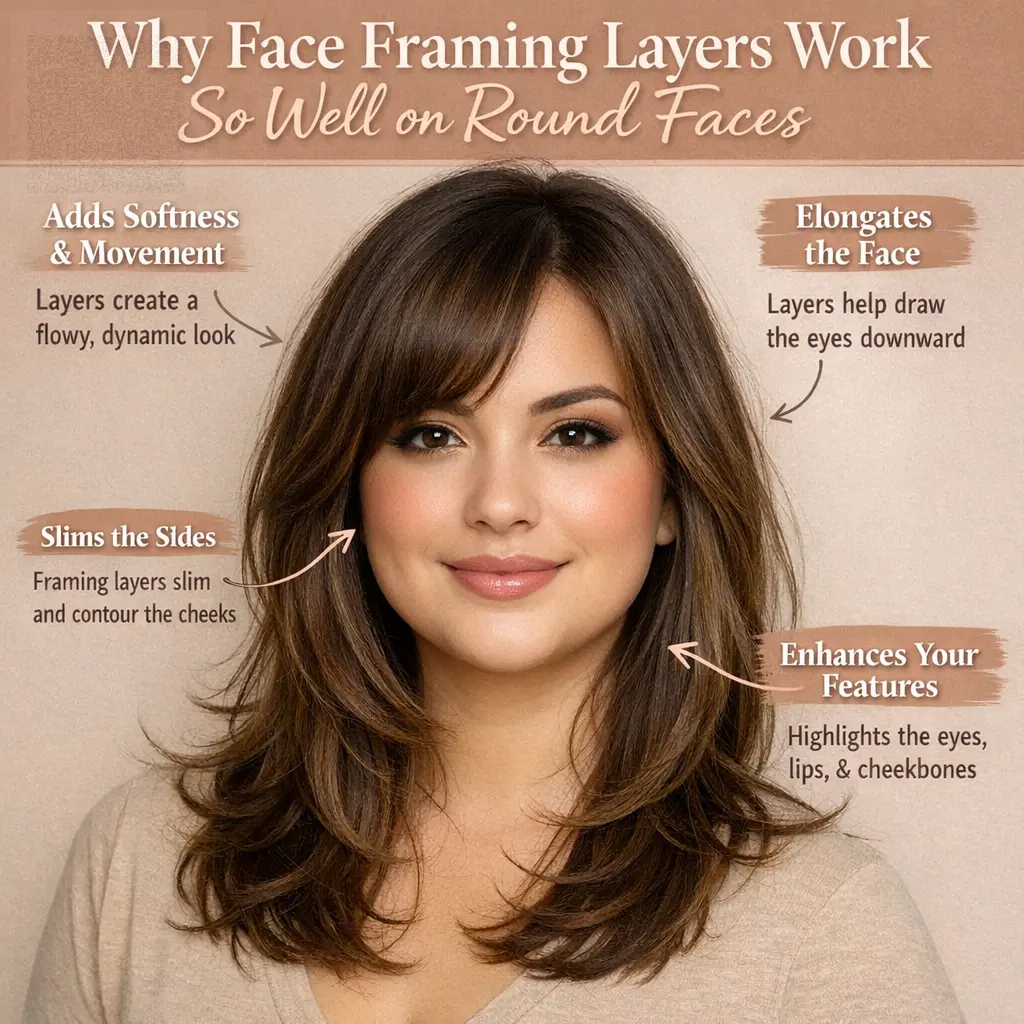
The best thing about face-framing layers is that they guide the shape of the haircut around your face. On a round face, that can be very helpful because blunt one-length cuts sometimes make the cheeks look wider.
Soft front layers help by:
- adding length visually
- drawing attention downward rather than outward
- softening the cheek area
- creating movement near the jawline
- making the haircut feel lighter and more lifted
This does not mean every round face needs long dramatic layers. It simply means that carefully placed front pieces usually look more flattering than heavy, flat, or overly blunt shapes.
Best Long Face Framing Layers for Round Face
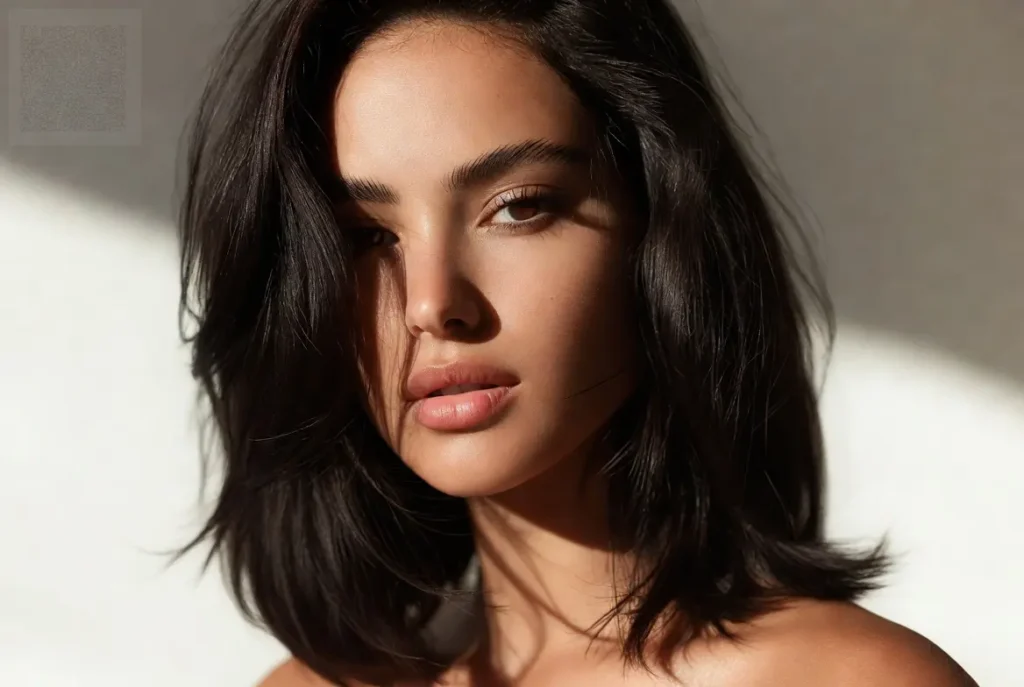
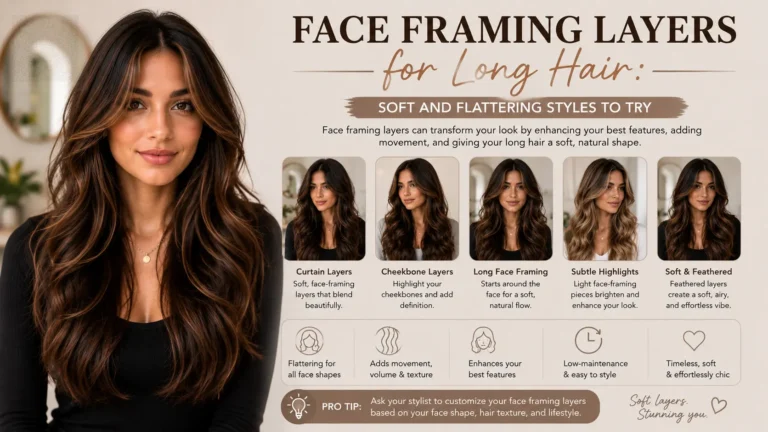
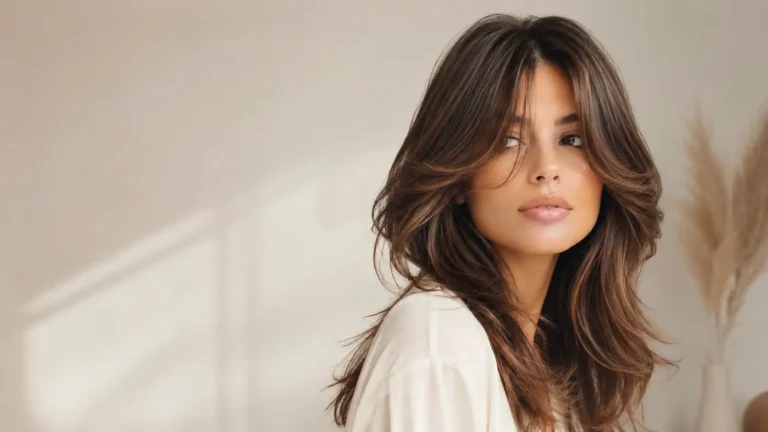
If you love longer hair, you are in luck. Long face framing layers for round face shapes can look incredibly flattering because they naturally create a more elongated effect.
Longer front pieces that begin below the cheeks often work best. They help pull the eye downward and stop the haircut from adding extra width near the fullest part of the face.
Great long options include:
- long layers starting below the chin
- face-framing pieces blended into long lengths
- long soft layers with a middle part
- long layers with curtain bangs
- butterfly-style long layers
If you are someone who wants to keep your length, this is one of the prettiest ways to do it. Softer layered haircuts for long hair also pair beautifully with face-framing details for rounder face shapes.
Best Medium Face Framing Layers for Round Face

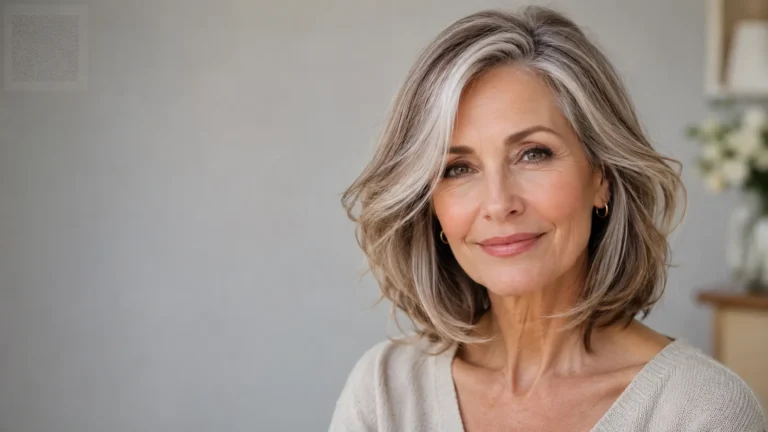
Medium hair is often one of the easiest lengths for a round face because it gives enough shape without feeling too heavy. Medium face framing layers for round face shapes can look especially balanced when the front pieces start around the jawline or slightly below.
That placement helps avoid widening the cheeks while still adding softness.
Flattering medium-length ideas:
- collarbone cut with face-framing layers
- shoulder-length layers with a center part
- medium layers with curtain bangs
- layered lob with soft front pieces
- medium cut with cheekbone-to-jaw blended layers
If you want a style that feels fresh and easy to wear, medium hair is often a great place to start. It also connects naturally with the softness and movement seen in medium layered haircuts.
Best Short Layered Styles for Round Face
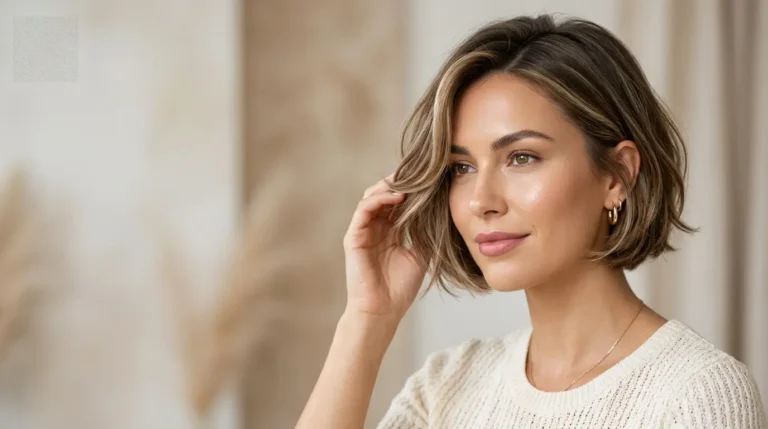
Shorter cuts can absolutely work for a round face too — the key is choosing shape carefully. The best short styles usually avoid too much width at the cheeks and instead create lift, texture, or a little length through the front.
Good short options include:
- layered bob with face-framing pieces
- chin-length bob with side or center-parted layers
- textured bob with movement through the ends
- slightly longer bob that falls below the chin
- short layered cut with volume at the crown
A blunt bob that stops right at the widest part of the face can sometimes feel less balanced, but a softer short layered bob haircut with movement can be much more flattering.
If you like bob shapes with a little more length and angle, these inverted lob makeovers can also be worth exploring.
Curtain Bangs with Face Framing Layers for Round Face
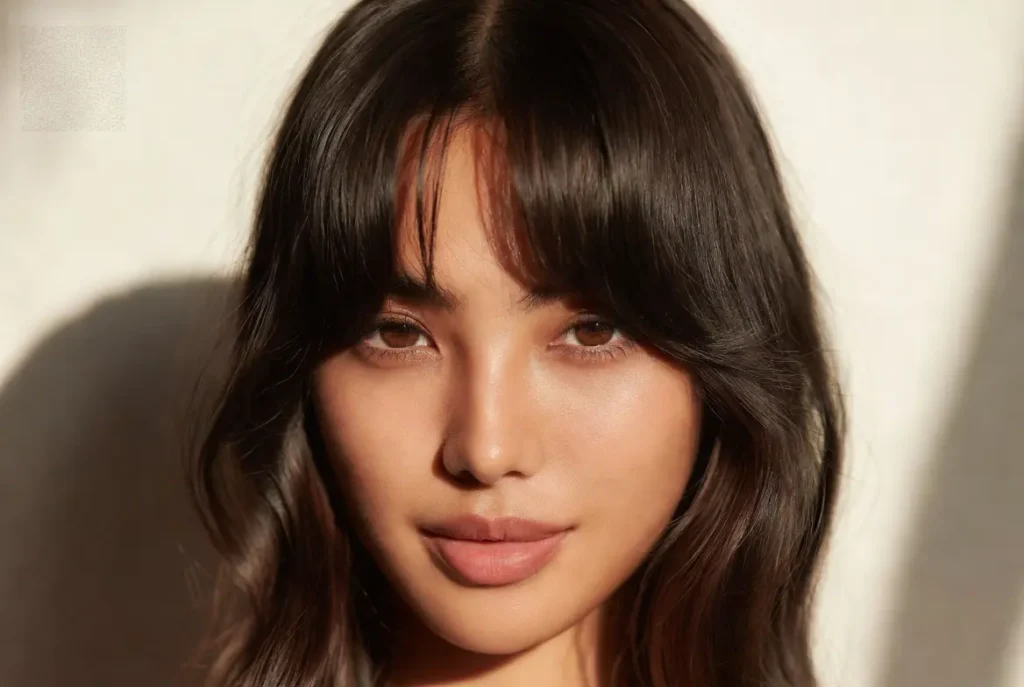
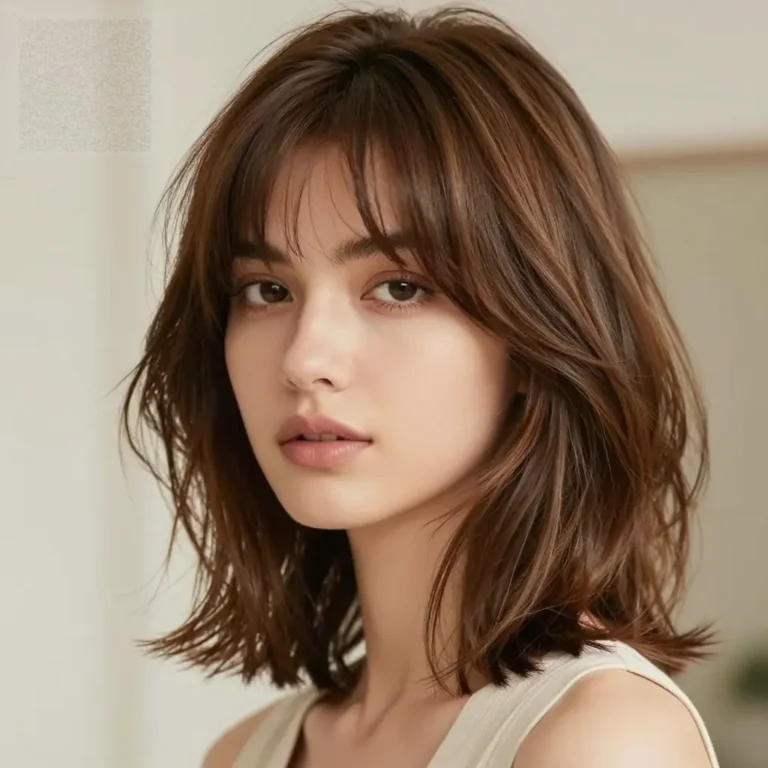
One of the best combinations for a round face is curtain bangs with face-framing layers. Curtain bangs can open up the face while the longer front pieces continue the line downward, which often creates a very balanced and soft look.
Why this combination works:
- it breaks up the width of the face
- it adds softness without heaviness
- it frames the forehead and cheek area beautifully
- it blends into medium or long layers naturally
The most flattering version is usually airy and slightly longer rather than thick, blunt, or very short. Curtain bangs that hit around the cheekbones and blend into longer layers tend to work especially well.
This topic will connect perfectly to your future post on curtain bangs with face framing layers.
Where Should Face-Framing Layers Start on a Round Face?
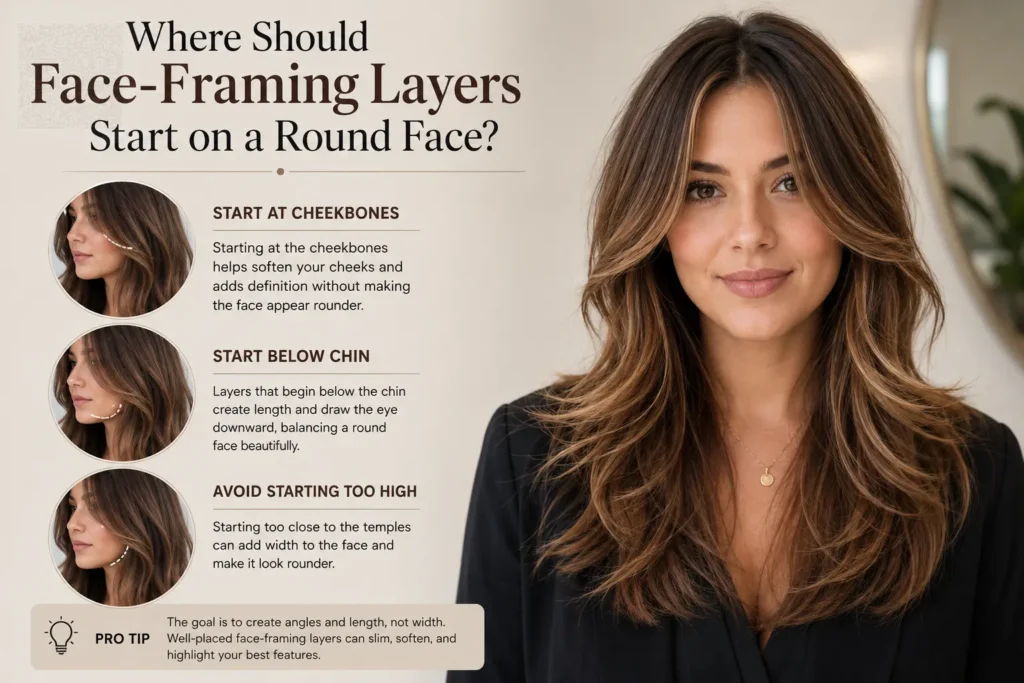
This is one of the most important details. On a round face, the starting point of the layers can really change the effect.
In general:
- layers that start below the cheeks are often most flattering
- chin-length or jaw-length front pieces usually work well
- cheekbone layers can work if they are soft and blended
- very short layers at the widest part of the face may add width
That does not mean you cannot have shorter pieces — just that they should be blended carefully. A stylist who understands face shape can adjust the placement based on your hair length and how much softness you want.
Mistakes to Avoid with Face Framing Layers for Round Face
Face-framing layers are usually flattering, but a few common mistakes can make the result less balanced.
Things to avoid:
- very blunt front sections
- layers that stop exactly at the fullest part of the cheeks
- too much bulk at the sides
- short, puffy layers near the face
- heavy straight-across bangs that close in the face too much
The best cuts for round faces usually create softness and gentle length, not extra width. That is why blended layers are usually better than harsh, disconnected pieces.
If your hair is also fine or low density, softer layering is especially important. In that case, a layered haircut for thin hair can help guide the right amount of shaping.
Best Hair Parts for Face Framing Layers on a Round Face

The parting of your hair can also affect how face-framing layers look.
Middle Part
A middle part often works beautifully with long or medium face-framing layers because it creates symmetry and length.
Soft Off-Center Part
Great if you want a little more lift or a less severe look than a strict middle part.
Side Part
Can be very flattering if you want more volume on top and a bit of asymmetry.
There is no single right answer, but many people with round faces find that middle or soft off-center parts work especially well with long face-framing pieces.
Styling Tips for Face Framing Layers on a Round Face
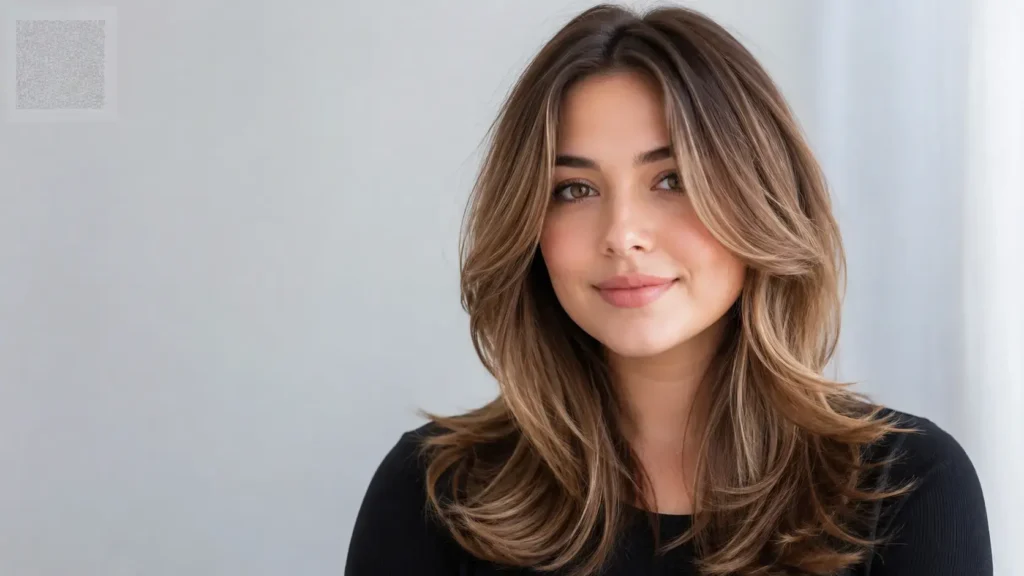
A good haircut makes the biggest difference, but styling can bring the layers to life.
Helpful styling tips:
- blow-dry the front pieces away from the face
- use a round brush for soft bend
- curl front layers lightly outward
- avoid adding too much volume at the cheek area
- add height at the crown if you want more elongation
- keep the ends smooth and airy rather than bulky
Soft movement usually looks better than very tight curls near the cheeks. Looser bends and airy blowouts tend to be the most flattering.
If your hair is thicker, lightweight smoothing products can help the layers sit nicely. If your hair is finer, volumizing mousse near the roots can keep the style from falling flat.
How to Ask Your Stylist for the Right Face-Framing Layers

When you go to the salon, it helps to be specific. Instead of simply saying “I want face-framing layers,” tell your stylist what you want the layers to do.
You can say:
- I want soft layers that flatter a round face
- I want front pieces that start below my cheeks
- I want to create a longer, more balanced look
- I want movement around my face without adding width
- I want layers that blend into the rest of my hair naturally
Reference photos are especially useful here because the term “face-framing layers” can mean a lot of different things.
You should also mention:
- your usual hair part
- whether you wear your hair straight or wavy
- if you want curtain bangs too
- how much styling you do each day
Who Should Try Face Framing Layers for a Round Face?
This type of haircut is especially worth trying if:
- your current haircut feels too heavy around the cheeks
- you want a softer, more sculpted front shape
- you want your hair to frame your face more beautifully
- you like layered cuts but want something flattering and wearable
- you want a subtle change without losing much length
Face-framing layers can be very low-risk because they do not always require a dramatic haircut. Even small front pieces can make a big difference.
Final Thoughts
The best face framing layers for round face shapes are the ones that create softness and gentle length without adding extra width. That is really what makes them so flattering. They help the haircut sit better, move better, and highlight your features in a more balanced way.
Long layers, medium layered cuts, soft curtain bangs, and slightly longer bobs can all work beautifully depending on the look you want. The most important detail is where the layers begin. For many round faces, front pieces that start below the cheeks or around the jawline tend to be especially flattering.
If you want a haircut that feels fresh but still easy to wear, face-framing layers are one of the smartest updates you can make. And because they work across different lengths and textures, they are also one of the most versatile.
If you want to keep exploring, the next best reads would be face framing layers for long hair, curtain bangs with face framing layers, or medium layered haircuts depending on your ideal length.
FAQ Section
Are face framing layers good for a round face?
Yes, face-framing layers are often very flattering on a round face because they add softness and can create a more elongated, balanced look.
Where should layers start on a round face?
In many cases, layers that start below the cheeks or around the jawline are the most flattering because they avoid adding width to the fullest part of the face.
Are curtain bangs flattering on a round face?
Yes, curtain bangs can work beautifully on a round face, especially when they are soft, airy, and blended into longer face-framing layers.
Is long hair or medium hair better for a round face?
Both can work well. Long hair often creates a lengthening effect, while medium hair can feel lighter and easier to style. The best choice depends on your texture and routine.
Do face framing layers make the face look slimmer?
They can create a slimming effect visually by guiding the eye downward and adding soft vertical lines around the face.
Can a bob work on a round face?
Yes, but the shape matters. Softer layered bobs that fall at or below the chin are often more flattering than blunt cuts that widen the face.
What should I avoid if I have a round face?
Try to avoid heavy blunt shapes, too much width at the cheeks, and front layers that stop exactly at the widest part of the face.

Stella Mary is a US-based hair care enthusiast and lifestyle writer at HairInspoHub, sharing trend-forward hairstyle tutorials, styling tips, and healthy hair rituals for women of every hair type. Specializing in Pinterest-inspired looks from bridal updos and effortless braids to heatless waves and sleek ponytails. She blends timeless elegance with everyday practicality. Her mission making gorgeous, confidence-boosting hairstyles accessible to everyone, one tutorial at a time.
One Comment