
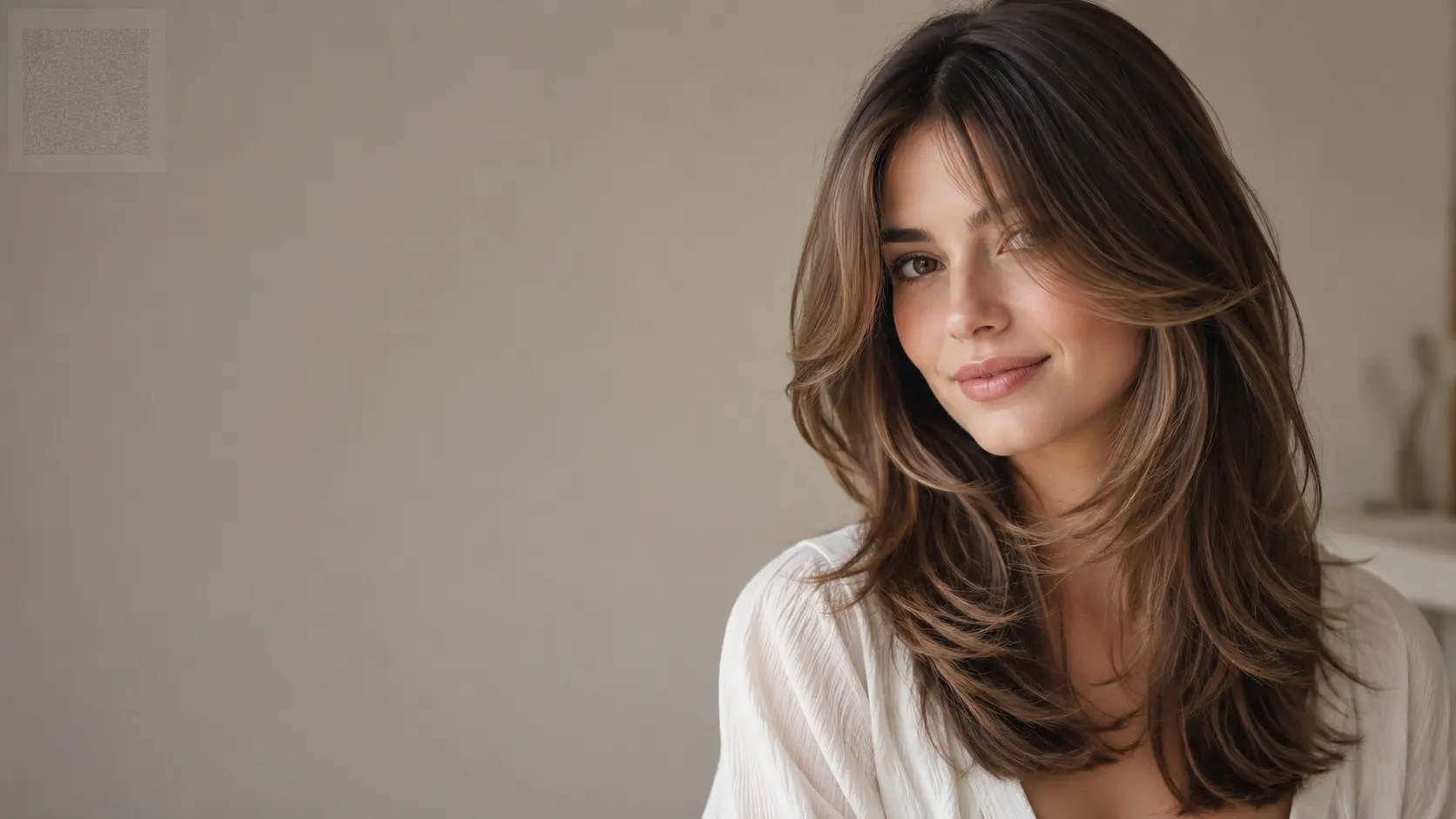
Layered Haircuts & Face-Framing| Best Styles for Every Hair Length and Face Shape

If you want a haircut that adds movement, softness, and a more flattering shape, layered haircuts & face-framing styles are some of the best options you can choose. They work across almost every hair length, suit a wide range of face shapes, and can be customized for everything from fine hair to thick hair.
That is exactly why these cuts stay so popular. Layers can make heavy hair feel lighter, fine hair look fuller, and medium or long hair feel more styled without a dramatic loss of length. Face-framing pieces do something equally important: they soften the front, highlight your features, and help the haircut sit better around your face.
If you are still deciding on the right length, it can help to compare styles like layered haircuts for long hair and medium layered haircuts before choosing the exact shape you want.
In this complete guide, we are covering the most flattering layered haircuts and face-framing styles for different lengths, textures, and face shapes—plus how to choose the right one for your routine.
Why Layered Haircuts and Face-Framing Styles Are So Popular
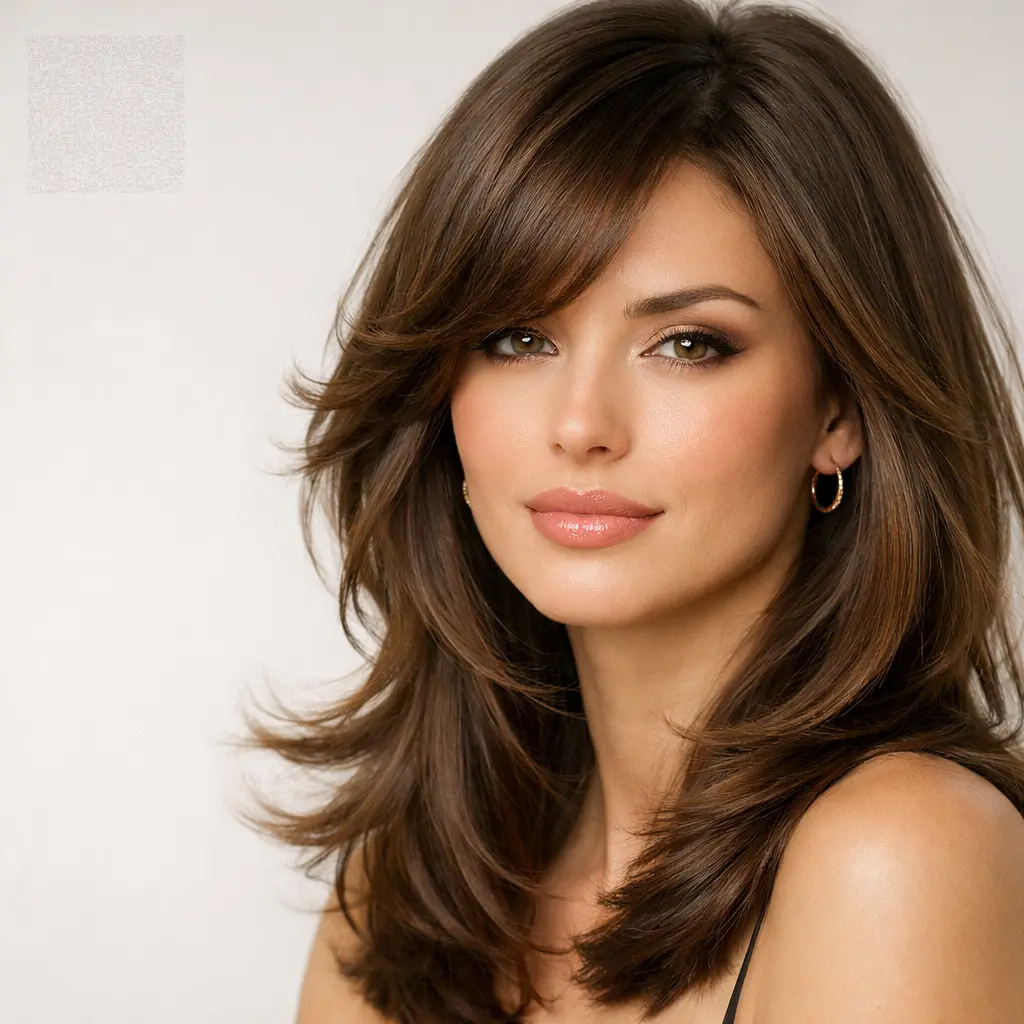
Haircuts change with trends, but layers and face-framing have stayed relevant for years because they solve real hair problems while still looking beautiful.
They are popular because they can:
- add movement to flat hair
- reduce heaviness in thick hair
- create shape without removing too much length
- soften the front of the haircut
- highlight cheekbones and jawlines
- make blowouts, waves, and ponytails look better
In other words, these cuts are not just trendy—they are practical. A good layered haircut can make your hair easier to style and more flattering in everyday life. And if easy upkeep matters most to you, you may also want to explore low-maintenance layered haircuts for styles that still look polished without a lot of daily effort.
What Are Layered Haircuts?
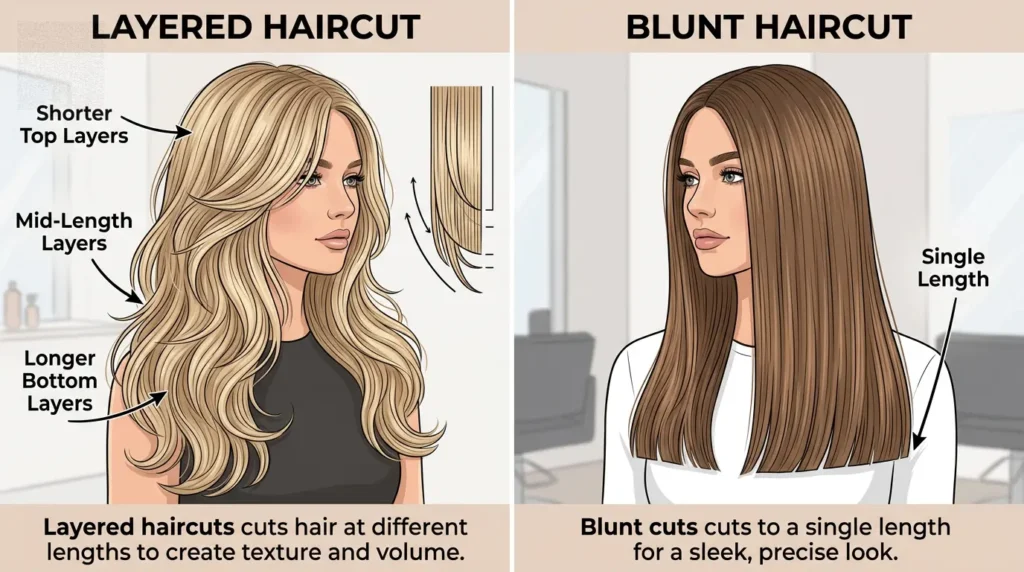
A layered haircut means the hair is cut at different lengths throughout the style instead of all one length. This creates more shape, movement, and dimension.
Some layers are very soft and blended, while others are more visible and dramatic. The right type depends on your hair thickness, texture, and the overall result you want.
Layers can help:
- fine hair look more lifted
- thick hair feel less bulky
- long hair move better
- medium hair feel softer
- short cuts look more textured
If you love longer lengths, these layered haircuts for long hair are a great example of how layers can add softness without taking away all your length. And if you want something easier to style day to day, medium layered haircuts often strike the perfect balance between movement and manageability.
What Does Face-Framing Mean in a Haircut?

Face-framing layers are shorter sections cut around the front of the hair to shape and soften the face. These pieces usually begin around the cheekbones, jawline, or chin and blend into the rest of the haircut.
They are one of the easiest ways to make a haircut feel fresher and more flattering without changing the full length.
Face-framing helps by:
- opening up the face
- adding softness around the front
- making long or medium hair look less heavy
- creating a more sculpted and balanced look
If your hair is longer, you can see this effect clearly in these face-framing layers for long hair, which show how small front pieces can completely refresh the look of long lengths.
Best Layered Haircuts for Long Hair

Long hair is one of the most popular lengths for layers because it gives the haircut room to move. Without layers, long hair can sometimes feel heavy or too one-dimensional.
Soft long layers can make the hair look lighter, while face-framing pieces can make the front feel more polished and flattering.
Popular long layered options include:
- soft long layers
- long layers with curtain bangs
- U-shaped layered cuts
- invisible layers
- butterfly-inspired long layers
If long hair is your favorite length, take a closer look at layered haircuts for long hair for more detailed ideas, styling inspiration, and ways to choose the right layers for your texture.
Best Medium Layered Haircuts
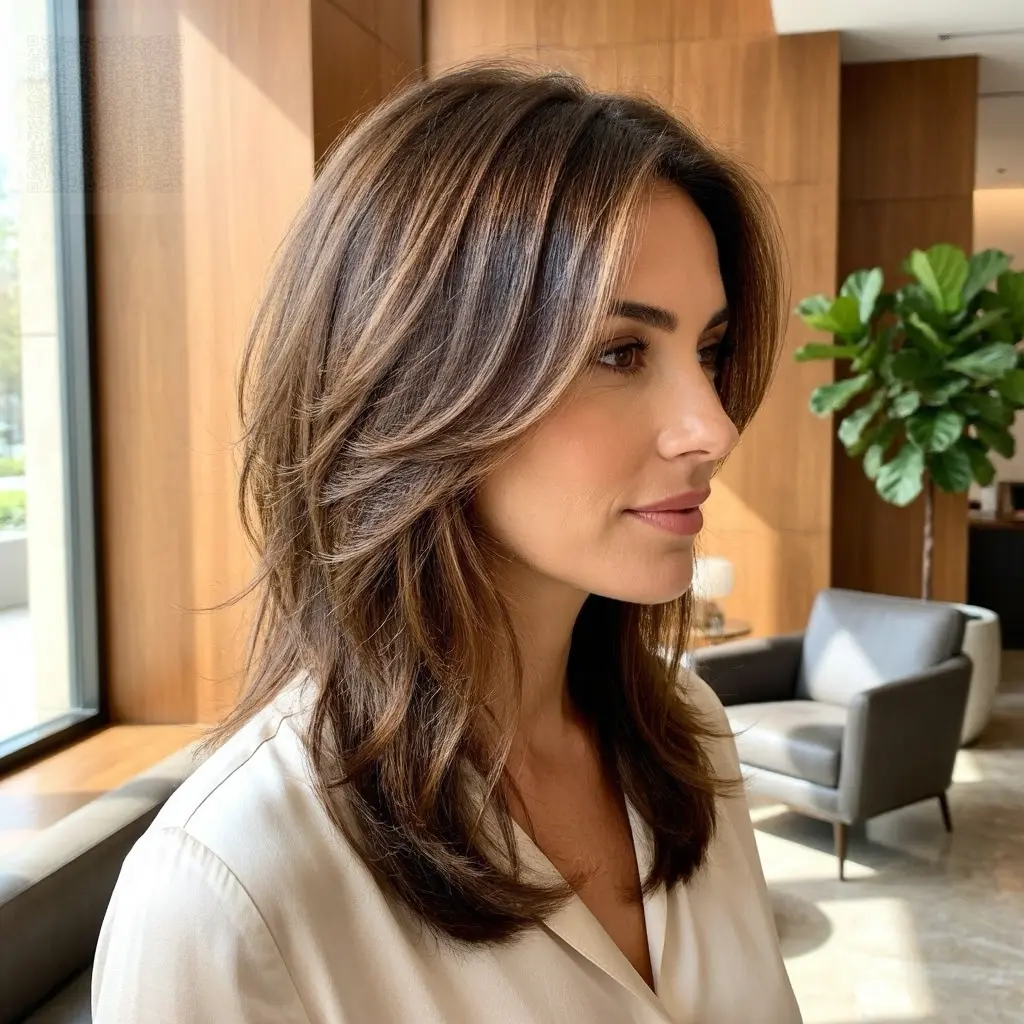
Medium hair is often the easiest length to wear because it gives you the softness of longer hair with less weight and easier styling. Add layers, and it becomes even more flattering.
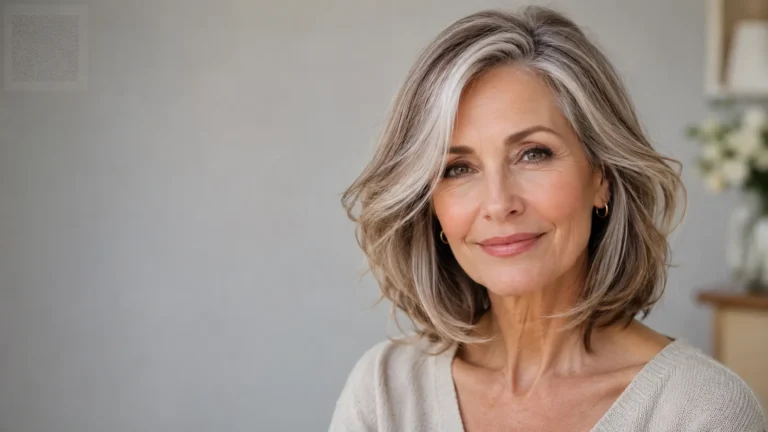
Shoulder-length and collarbone cuts work especially well with blended layers because they add bounce, shape, and softness without feeling too short.
Great medium layered choices:
- shoulder-length soft layers
- collarbone cuts with movement
- layered lobs
- face-framing medium cuts
- medium layers with curtain bangs
If you are leaning toward a more wearable everyday cut, these medium layered haircuts are a great next read because they offer that ideal mix of versatility and ease.
Best Short Layered Bob Haircuts
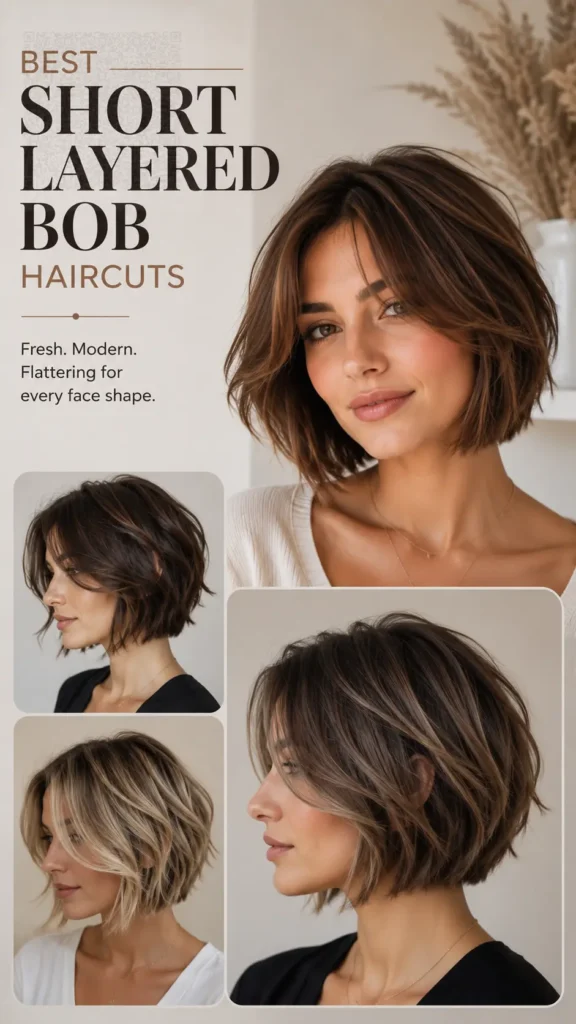
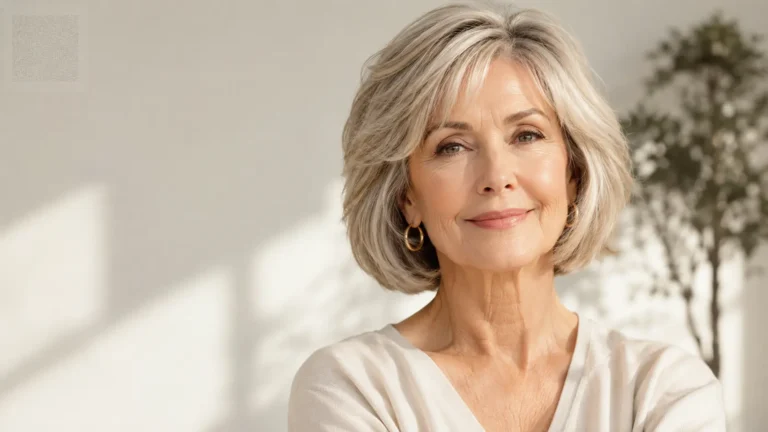
If you prefer something shorter, a layered bob can be one of the most chic and wearable choices. Layers help a bob feel softer and more dimensional rather than too blunt or heavy.
A short layered bob can work especially well if you want:
- more movement
- more volume
- easier daily styling
- a modern but timeless shape
Popular short options include:
- textured bob
- stacked bob
- soft French bob
- layered lob
- face-framing bob
For a closer look at shorter cuts, explore short layered bob haircuts. And if you like bob-to-lob styles with a little more structure, these inverted lob makeovers can give you even more medium-length inspiration.
Layered Haircuts for Thin Hair
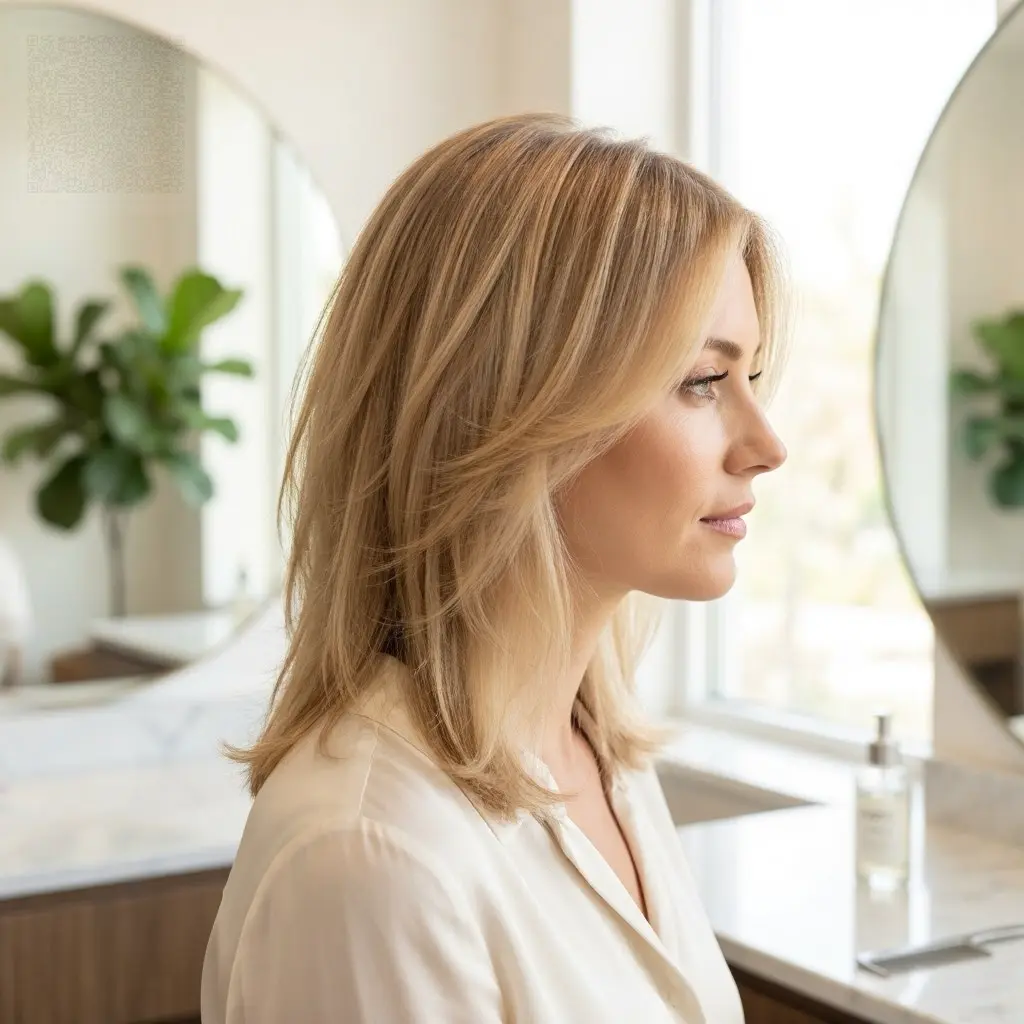
Thin or fine hair usually needs a gentler layering approach. The goal is not to remove a lot of hair, but to create shape and movement while keeping the ends looking full.
The best layered cuts for thin hair often include:
- soft medium layers
- subtle face-framing pieces
- airy curtain bangs
- blunt ends with minimal layering
- layered lobs or softer bobs
If your main goal is more fullness, this guide to the best layered haircut for thin hair can help you choose styles that create movement without making the hair look sparse.
Layered Haircuts for Thick Hair
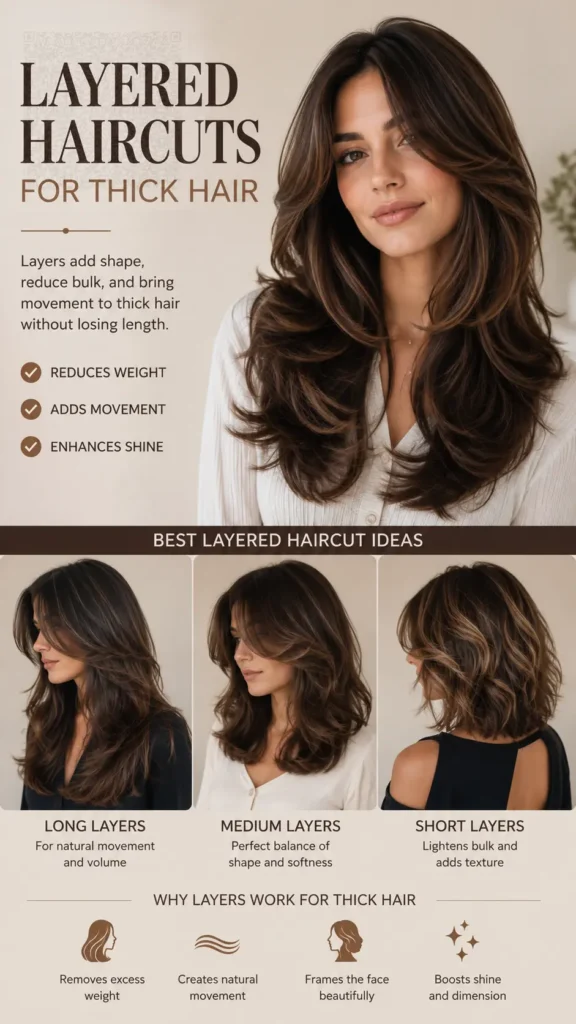
Thick hair often benefits the most from layers because they help remove heaviness and create a more balanced shape. Without them, thick hair can feel bulky or sit too heavily around the sides and ends.
Layers can help thick hair by:
- reducing bulk
- creating movement
- making the front look softer
- helping the hair dry and style more easily
Long soft layers, medium blended cuts, and trend-driven options like butterfly layers are all strong choices. If your hair feels too heavy or difficult to manage, this full guide to the best layered haircut for thick hair is worth reading next.
Face-Framing Layers for Round Face
Round face shapes often look especially beautiful with soft front layers because they can create a more elongated and balanced look. The best face-framing pieces usually start below the cheeks or around the jawline.
Flattering options for round faces:
- long face-framing layers
- medium cuts with chin-length pieces
- curtain bangs with longer layers
- layered bobs that fall below the chin
If you want a more tailored look based on face shape, these face-framing layers for round face can help you choose the most flattering placement.
Face-Framing Layers for Long Hair
Long hair and face-framing are one of the prettiest combinations because the front pieces instantly make long lengths look softer and more intentional.
Why they work so well:
- they break up heaviness around the front
- they make long hair look more styled
- they blend beautifully with waves and blowouts
- they can be subtle or more noticeable
If this is the look you are after, the full guide on face-framing layers for long hair goes deeper into styling ideas, texture tips, and the best starting points for front layers.
Curtain Bangs with Face-Framing Layers
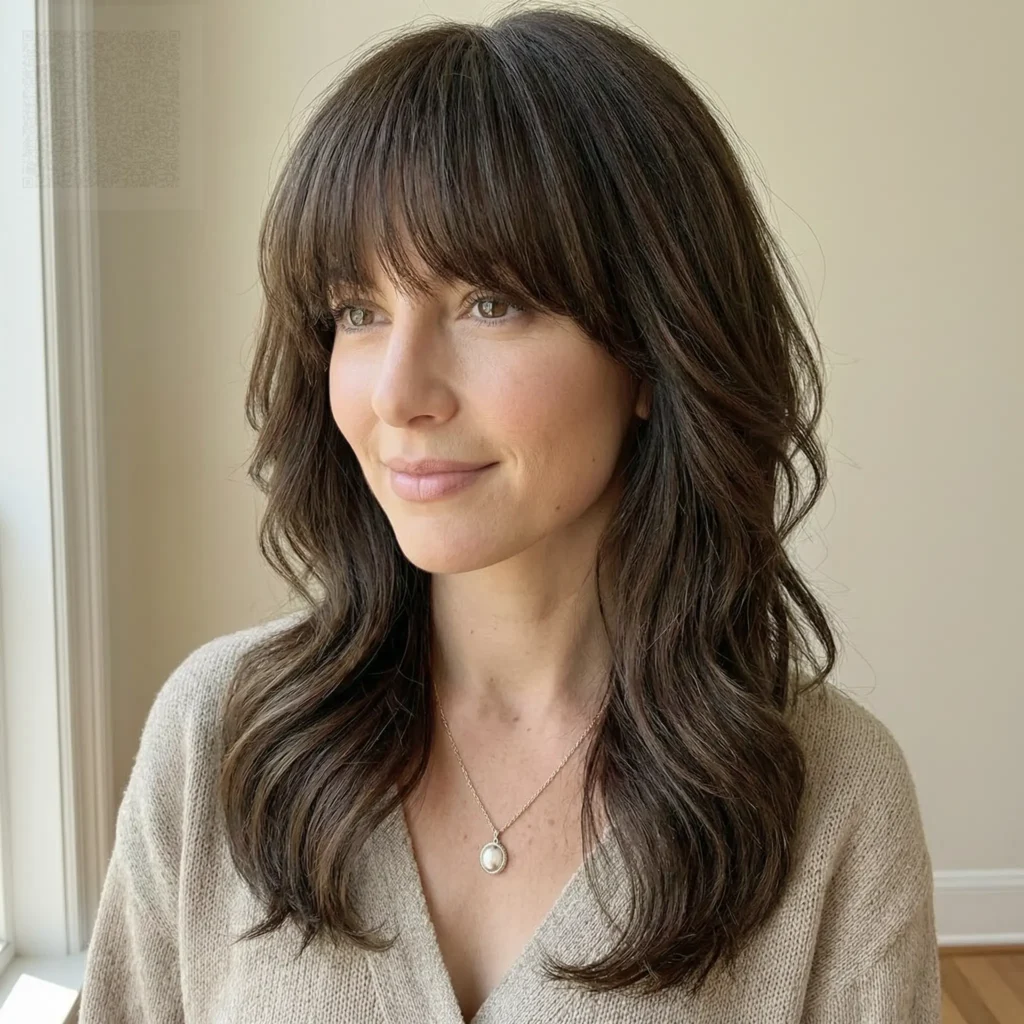
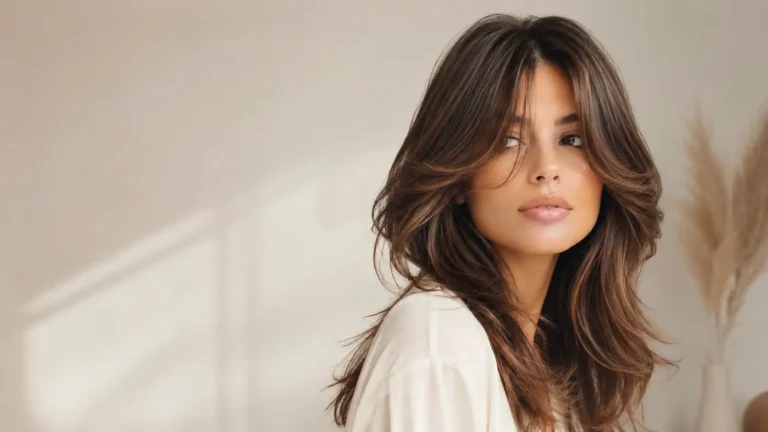
One of the most flattering and in-demand combinations right now is curtain bangs with face-framing layers. Curtain bangs soften the forehead and cheek area, while longer front layers keep the whole style flowing naturally.
This combination works especially well on medium and long hair because it gives the front shape without feeling too heavy.
Why people love this look:
- it feels soft and feminine
- it suits many face shapes
- it blends naturally into layers
- it grows out more gently than blunt bangs
If you are thinking about adding fringe, these curtain bangs with face-framing layers are a great way to see how the look can be adapted for different lengths and textures.
Butterfly Haircut with Layers
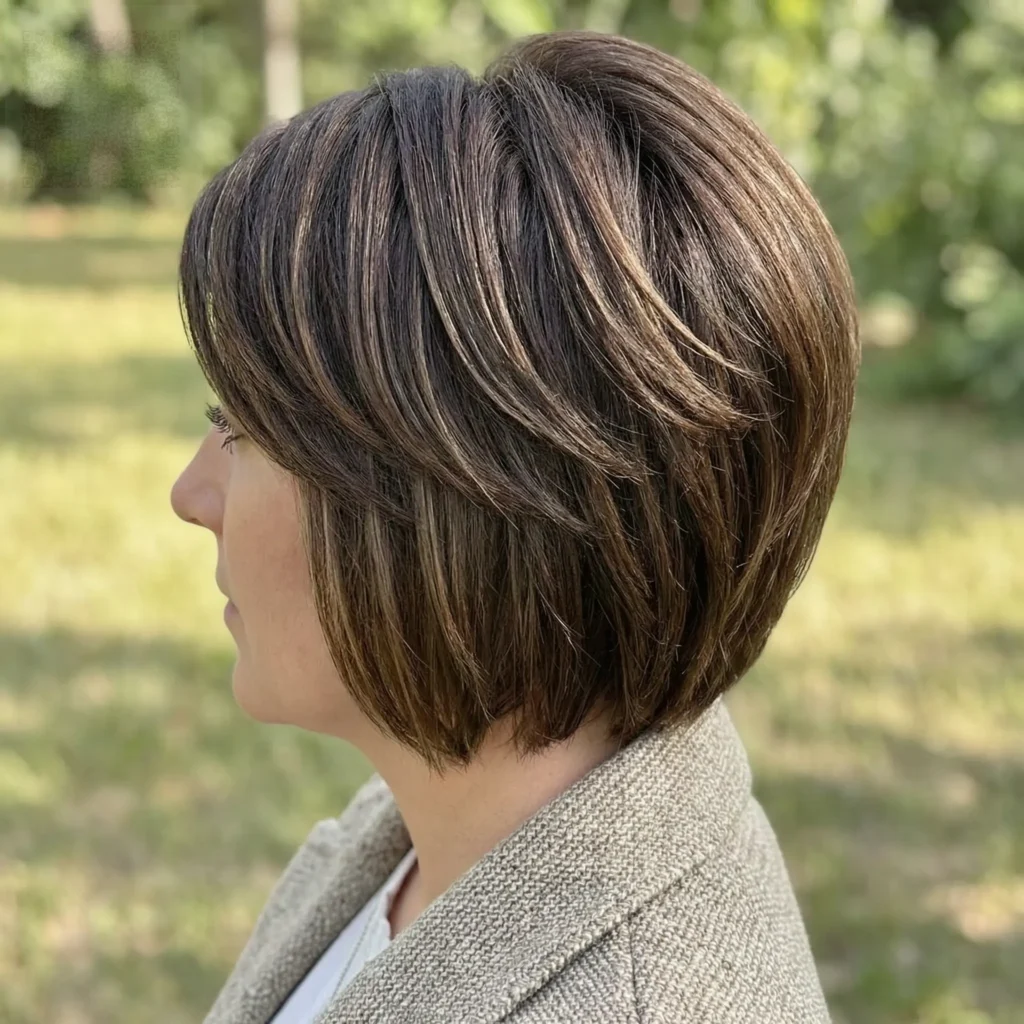
The butterfly haircut has become one of the biggest layered trends because it creates airy volume, soft face-framing, and glamorous movement without sacrificing too much length.
It usually includes:
- shorter layers near the crown and face
- longer layers underneath
- bouncy blowout-friendly shape
- lots of softness around the front
This style works especially well on medium to thick hair and looks beautiful on long lengths too. If you love trend-driven styles, the butterfly haircut with layers is one of the best examples of how modern layers can still feel wearable.
Low-Maintenance Layered Haircuts
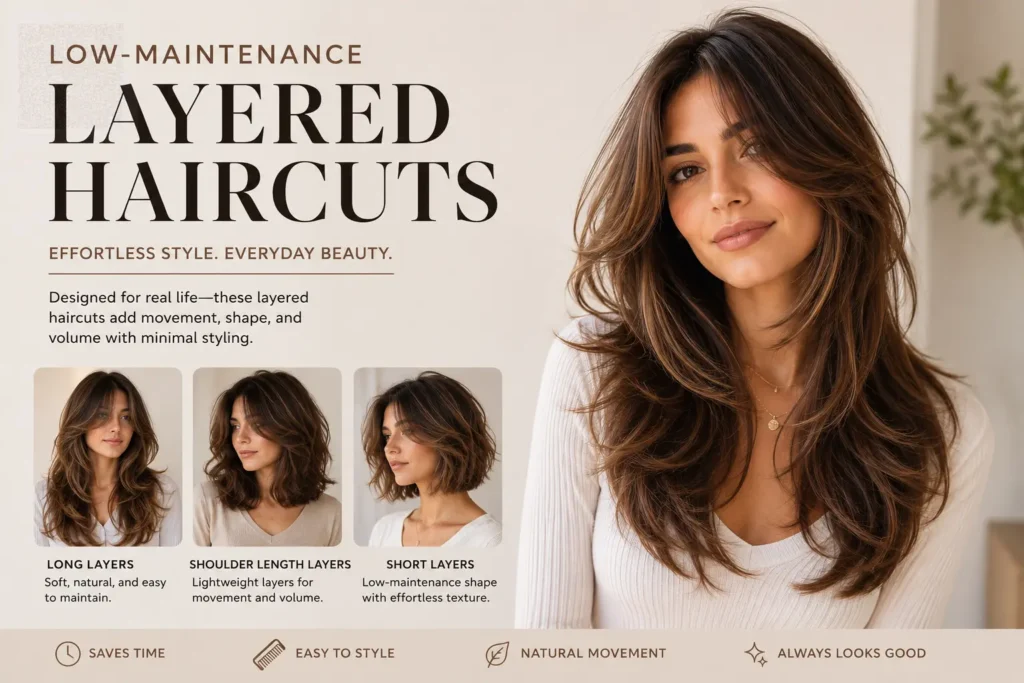
Not everyone wants a haircut that needs daily styling, and the good news is that layers do not have to be high maintenance. Soft, blended layers can actually make hair easier to manage when the shape works with your natural texture.
Easy layered cuts often include:
- shoulder-length soft layers
- long invisible layers
- low-effort layered bobs
- subtle face-framing without dramatic bangs
If practical styling matters most to you, these low-maintenance layered haircuts are a great next step because they focus on wearable, everyday styles that still look chic.
How to Choose the Right Layers for Your Face Shape
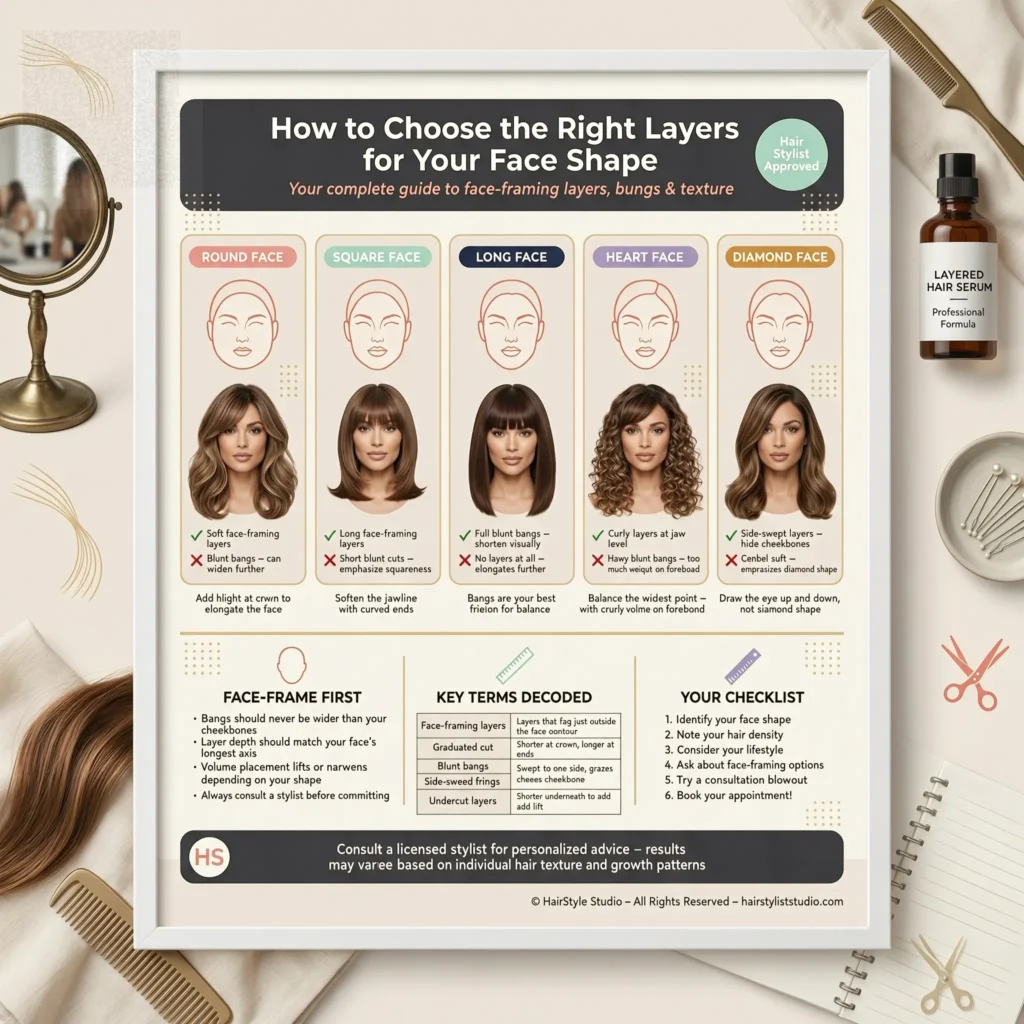
Face shape is not the only thing that matters, but it can definitely help guide the best placement for your layers.
Round Face
Longer face-framing pieces and soft curtain bangs usually work well. For more specific inspiration, you can start with face-framing layers for round face.
Oval Face
Most layered styles suit this face shape, from long layers to bobs.
Square Face
Soft layers around the jawline and curtain bangs can help soften stronger angles.
Heart-Shaped Face
Face-framing layers around the jawline can help create balance.
Long Face
Medium layered cuts, curtain bangs, and softer width at the sides often work beautifully.
A haircut should still reflect your hair type and lifestyle too—not just your face shape. If you want something versatile and easier to wear, medium layered haircuts are often one of the safest and most flattering choices.
How to Ask Your Stylist for Layered Hair and Face-Framing

One of the best ways to get a haircut you actually love is to be more specific than just saying, “I want layers.”
Tell your stylist:
- what length you want to keep
- whether you want soft or noticeable layers
- if you want face-framing pieces
- whether your hair feels too heavy, too flat, or too blunt
- how much daily styling you do
- if you want bangs, especially curtain bangs
Reference photos help a lot because “layers” can mean very different things from one person to another. It also helps to mention your natural texture so the stylist can cut the shape in a way that works for your real hair, not just salon styling.
For example, if your biggest issue is lack of fullness, showing inspiration from a layered haircut for thin hair can be helpful. If bulk is the problem, a layered haircut for thick hair will guide the conversation in a better direction.
Final Thoughts
Layered haircuts and face-framing styles are some of the most versatile and flattering haircut choices you can make. They work on long hair, medium hair, and shorter bob shapes. They can make thick hair feel lighter, fine hair look fuller, and almost any haircut look softer around the face.
What makes them so valuable is how customizable they are. You can go for something subtle and low-maintenance, something trendier like a butterfly cut, or a softer update like curtain bangs with face-framing layers. You can keep your length, go shorter, add front pieces, or simply soften the overall shape.
There is no single right version—only the version that works best for your face shape, hair type, and routine. If you are still deciding where to start, compare layered haircuts for long hair, medium layered haircuts, and short layered bob haircuts to narrow down the length that feels right for you.
FAQ Section
What are face-framing layers?
Face-framing layers are shorter pieces cut around the front of the hair to soften and shape the face. They usually start around the cheekbones, jawline, or chin.
Are layered haircuts good for all hair types?
Yes, layered haircuts can work on most hair types, but the type of layers should be adjusted for fine, thick, straight, or wavy hair.
What face shape suits face-framing layers best?
Face-framing layers can suit almost every face shape when placed correctly. The key is adjusting where the layers begin and how softly they blend.
Are curtain bangs good with layered hair?
Yes, curtain bangs pair beautifully with layered hair because they blend into the haircut and create a soft, flattering front shape.
What is the easiest layered haircut to maintain?
Soft medium layered haircuts are often the easiest to maintain because they grow out well and usually need less styling than more dramatic layered cuts.
Are layers better for thick or thin hair?
Layers can work for both. Thick hair often benefits from weight removal, while thin hair usually needs softer layers that keep the ends looking full.
Is the butterfly haircut the same as regular layers?
Not exactly. The butterfly haircut is a more specific layered style that combines shorter face-framing and crown layers with longer lower lengths for airy volume.

Stella Mary is a US-based hair care enthusiast and lifestyle writer at HairInspoHub, sharing trend-forward hairstyle tutorials, styling tips, and healthy hair rituals for women of every hair type. Specializing in Pinterest-inspired looks from bridal updos and effortless braids to heatless waves and sleek ponytails. She blends timeless elegance with everyday practicality. Her mission making gorgeous, confidence-boosting hairstyles accessible to everyone, one tutorial at a time.

2 Comments