
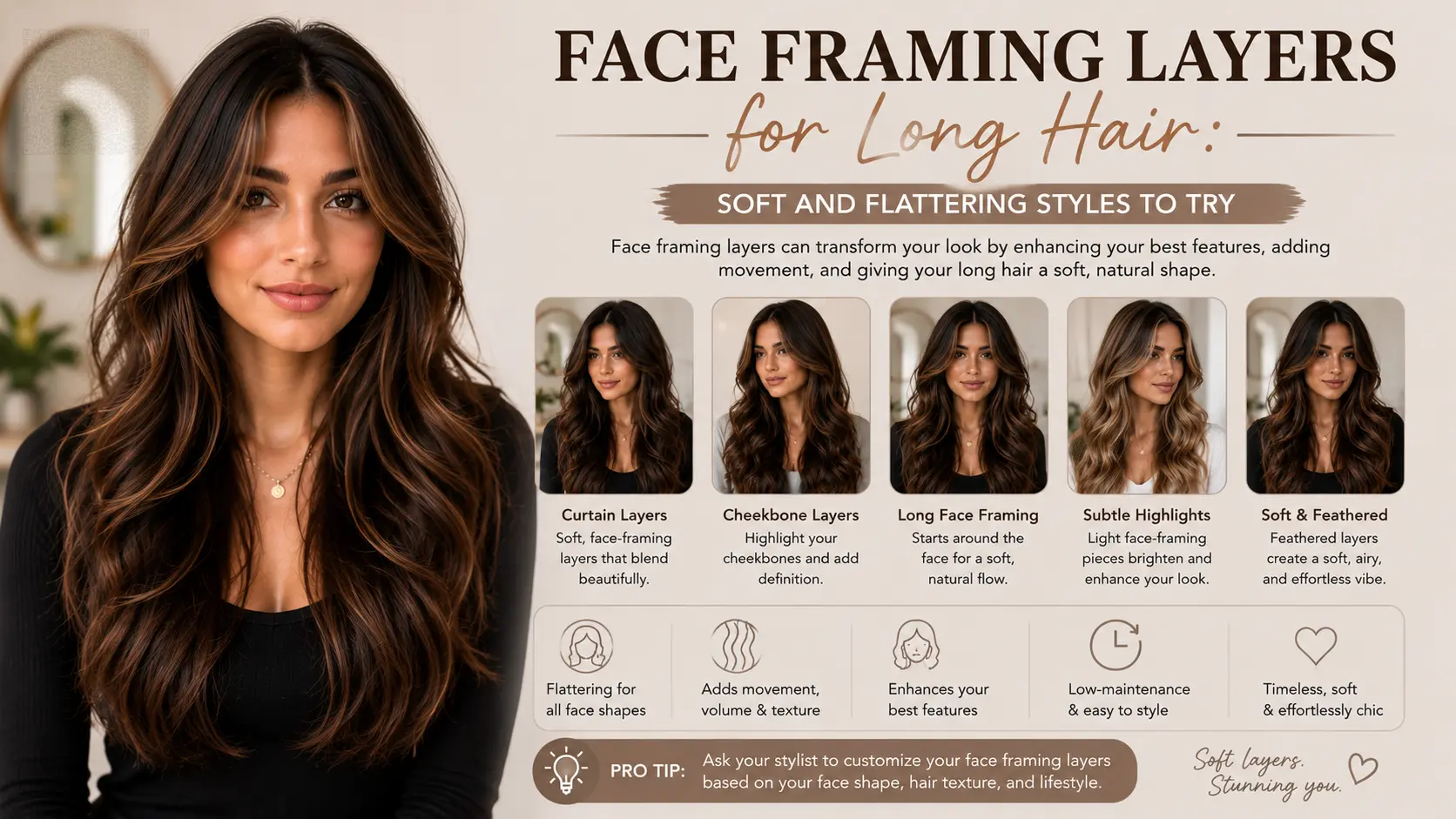
Face Framing Layers for Long Hair: Soft and Flattering Styles to Try

If your long hair feels a little heavy, flat, or too one-length around the front, face framing layers for long hair can make a beautiful difference. They are one of the easiest ways to add softness, shape, and movement without giving up the length you love.
That is exactly why this haircut detail stays so popular. Face-framing layers are subtle enough to feel wearable, but noticeable enough to completely refresh your style. They help highlight your features, make long hair look more polished, and blend beautifully into layered cuts, curtain bangs, or even simple everyday blowouts.
In this guide, we are looking at the best face framing layers for long hair, how they work on different textures, where they should start, and how to choose the most flattering version for your face shape and routine.
What Are Face Framing Layers?

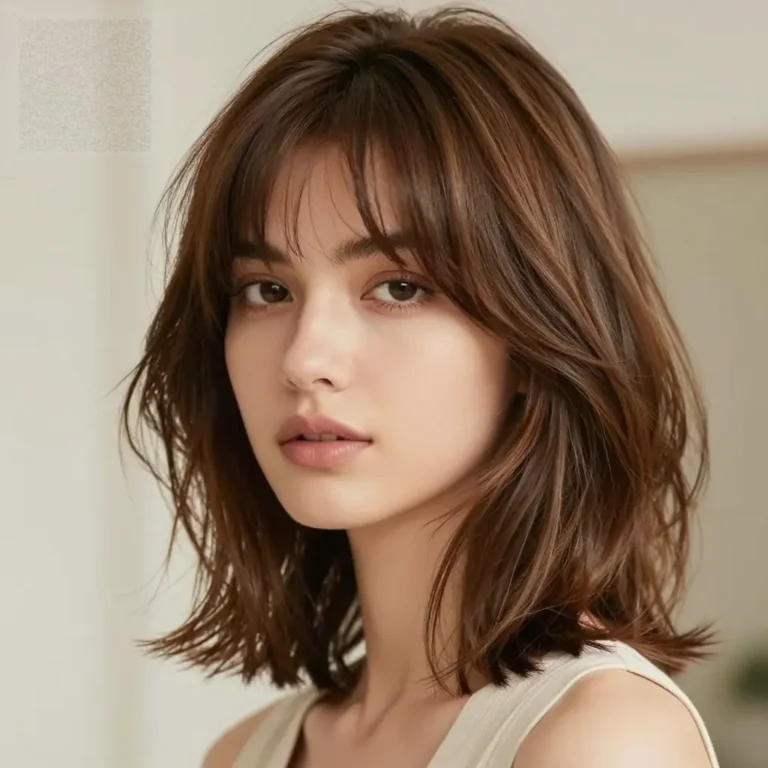
Face-framing layers are shorter sections cut around the front of the hair to soften and shape the face. These pieces usually begin somewhere around the cheekbones, jawline, or chin, then blend into the rest of the length.
Unlike full layers throughout the whole haircut, face-framing layers focus mostly on the front. That is what makes them such a smart option for people who want a visible change without losing much length.
They can be:
- soft and subtle
- bold and more noticeable
- paired with curtain bangs
- blended into long layers
- styled sleek or wavy
Because the change happens mainly around the face, this style feels fresh without being too dramatic.
Why Face Framing Layers Look So Good on Long Hair
Long hair can be stunning, but when everything is one length, it can sometimes feel a little flat or heavy near the front. Face-framing layers help break that up.
They work so well on long hair because they:
- add movement near the face
- make long hair feel lighter
- soften heavy front sections
- create shape without removing too much length
- help highlight the cheekbones and jawline
- make blowouts and ponytails look more styled
This is especially helpful if you love your long hair but want it to feel more modern and flattering. Even small front pieces can completely change the overall look.
If you also want more movement through the full haircut, softer layered haircuts for long hair pair beautifully with face-framing pieces.
Best Starting Point for Face Framing Layers on Long Hair
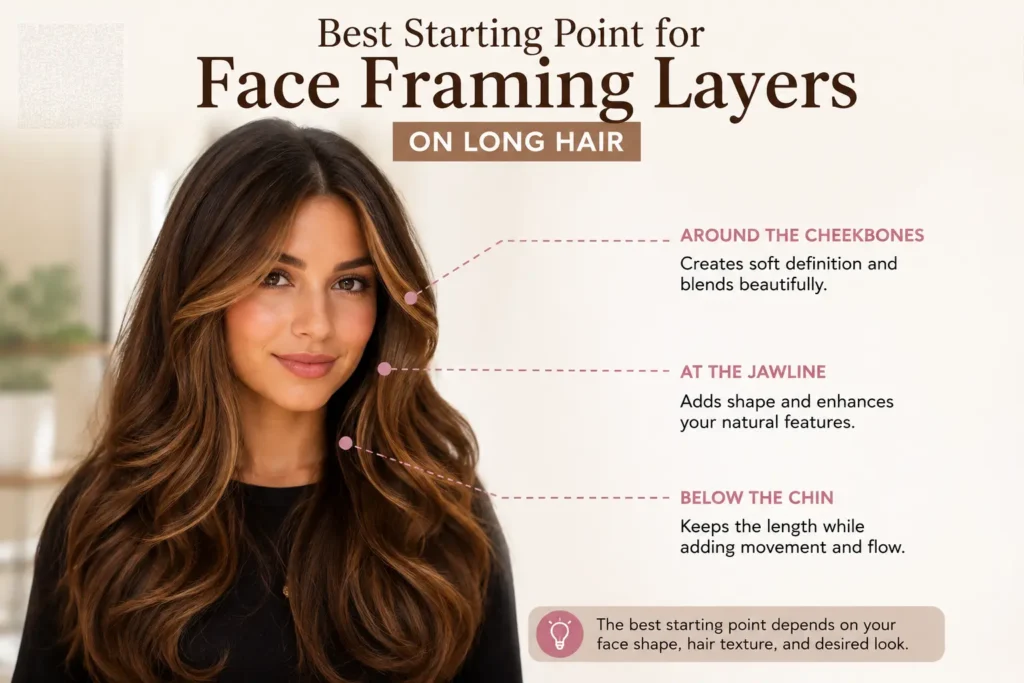
One of the biggest questions people have is where these layers should begin. The answer depends on your face shape, hair texture, and how dramatic you want the look to be.
Common starting points:
- Cheekbone length: soft and flattering, especially with blowouts
- Jawline length: balanced and very wearable
- Chin length: ideal if you want more visible shaping
- Below the chin: subtle and elegant
If you want a softer result, chin-length or below-the-chin layers often feel easiest to wear. If you want more lift and movement around the front, cheekbone or jawline layers can be beautiful too.
The right starting point should work with your face shape rather than fight against it.
Soft Face Framing Layers for Long Straight Hair
Straight hair shows face-framing layers very clearly, which can be a big advantage. The layers stand out more, and the shape looks polished when it is cut well.
On long straight hair, face-framing layers help stop the front from feeling too heavy or blunt. They create better flow and make the whole haircut look more intentional.
Great options for straight long hair:
- soft chin-length front layers
- face-framing pieces with invisible layers
- long layers with side-swept front pieces
- curtain bangs blended into front layers
- sleek long hair with jawline framing
The key with straight hair is keeping the cut blended. Harsh or disconnected front pieces can look too obvious, while soft shaping feels elegant and natural.
Face Framing Layers for Long Wavy Hair
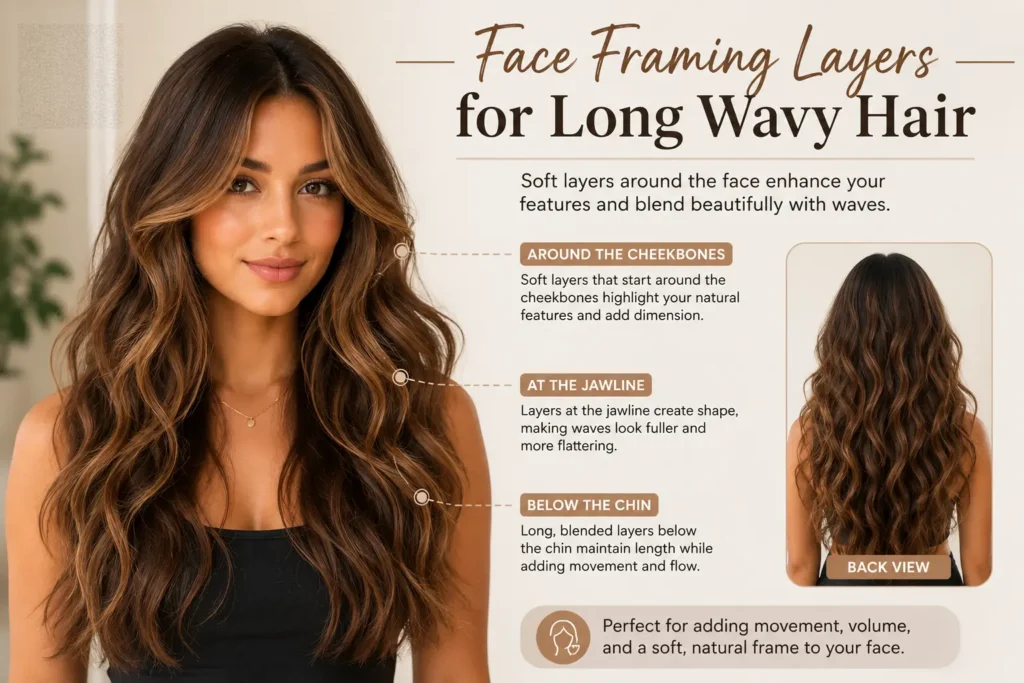
Wavy hair and face-framing layers are a beautiful match. The layers help the waves sit better around the face and create that soft, effortless look so many people want.
Long wavy hair can sometimes feel bulky near the cheeks or too wide around the sides if there is no shaping at the front. Face-framing pieces help soften that.
Best ideas for long wavy hair:
- chin-length framing layers
- jawline layers with long waves
- curtain bangs flowing into longer front pieces
- butterfly-inspired front layers
- soft blended layers around the face
If your hair has natural texture, even a small amount of front layering can make the overall haircut feel lighter and more flattering.
Face Framing Layers with Curtain Bangs
One of the prettiest ways to wear this look is with curtain bangs. Curtain bangs and face-framing layers work together beautifully because both are designed to soften the front of the haircut.
Curtain bangs open up the forehead and cheek area, while longer face-framing layers continue that softness through the rest of the hair.
Why this combo works:
- it feels soft and feminine
- it suits many face shapes
- it blends naturally into long lengths
- it adds shape without a dramatic cut
- it works on straight, wavy, and thick hair
This is a great option if you want a trendy update that still feels timeless. It also connects perfectly with your future article on curtain bangs with face framing layers.
Face Framing Layers for Thick Long Hair

Thick long hair often benefits a lot from face-framing layers because they help break up heaviness around the front. Without them, thick hair can sometimes look bulky near the cheeks or jaw.
Why they work on thick hair:
- they remove visual weight around the face
- they make long thick hair feel softer
- they add movement without sacrificing fullness
- they blend well into long layers
For thick hair, it usually helps to keep the front pieces soft and well-blended rather than too short or choppy. That way, the haircut still feels polished instead of puffy.
If your hair is especially full, you may also love a layered haircut for thick hair that removes more bulk through the rest of the length.
Face Framing Layers for Fine Long Hair
Yes, fine or thinner long hair can also wear face-framing layers beautifully — as long as they are done gently. The goal is to add shape around the front without making the ends look too sparse.
Best approach for fine hair:
- keep the front pieces light and soft
- avoid too many short layers
- keep most of the density through the ends
- blend face-framing layers carefully into the rest of the cut
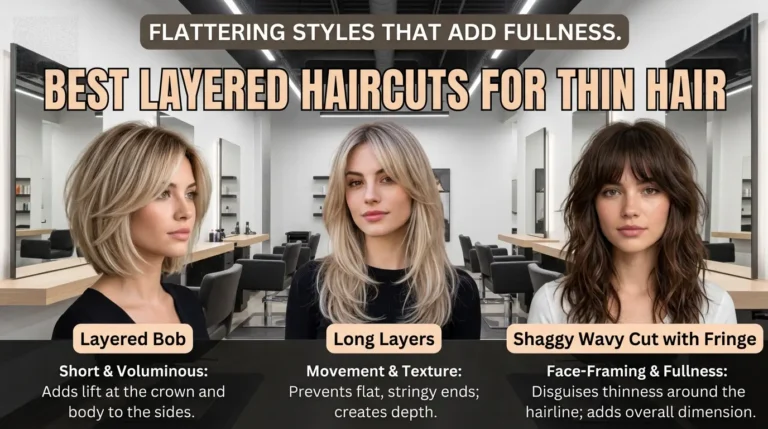
This is one of the safest ways to refresh fine long hair because it creates interest without removing a lot of overall fullness. If you need extra volume, a layered haircut for thin hair can also help guide the right balance.
Long Layered Hair with Face-Framing Pieces
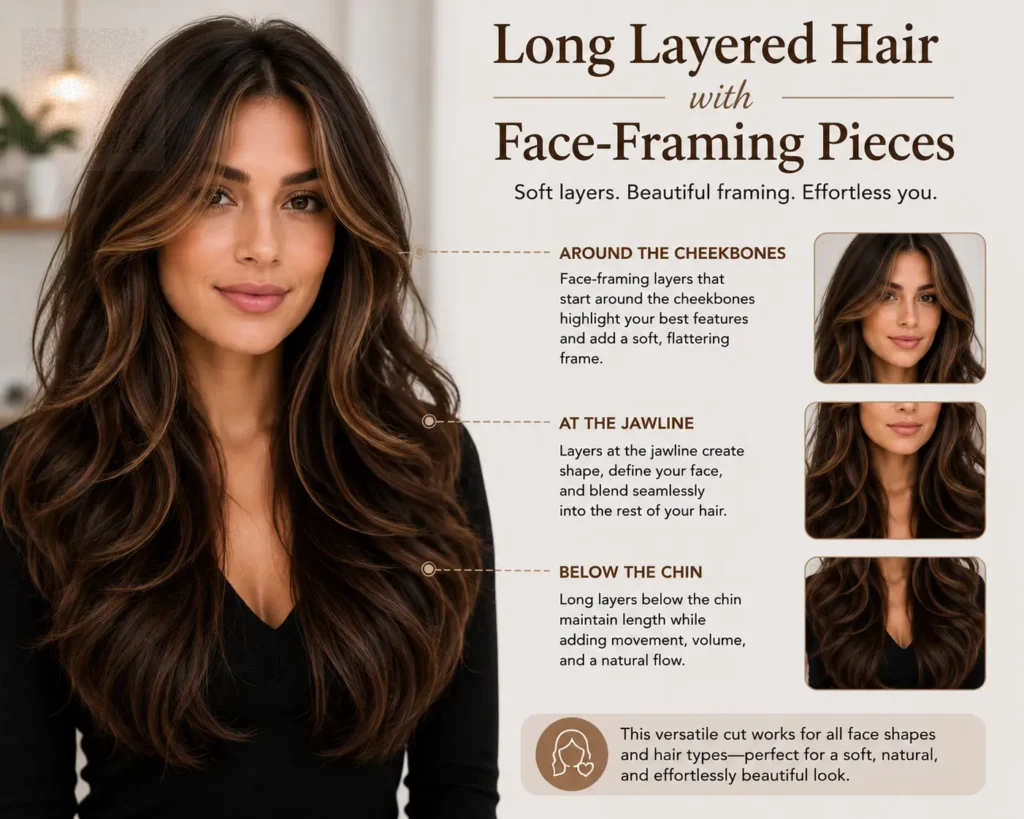
If you want the most flattering overall result, combining full long layers with face-framing pieces is often the best choice. That way, the haircut has movement through the whole shape, not just near the face.
This combination works well because:
- the front feels soft and open
- the length still looks long and feminine
- the whole haircut moves better
- blowouts look more bouncy
- waves look more defined and lighter
This is especially ideal if your current hair feels heavy or one-dimensional. A little overall layering plus flattering front pieces can make long hair look completely refreshed.
Mistakes to Avoid with Face Framing Layers
Face-framing layers are usually flattering, but a few common mistakes can make the haircut less balanced.
Things to avoid:
- front pieces that are too short for your comfort level
- harsh disconnected layers
- overly chunky framing that does not blend
- too much thinning at the ends
- layers that start too high if your hair is already fine
The best result usually comes from softness and blending. You want the front pieces to look like part of the haircut, not like a separate section.
This is why reference photos matter so much. A slight difference in where the layers begin can completely change the final result.
How to Ask Your Stylist for the Right Look
When asking for this haircut, it helps to be specific. Instead of only saying “I want face-framing layers,” explain how soft or noticeable you want them to be.
You can say:
- I want soft face-framing layers for long hair
- I want front pieces that start around my chin or jawline
- I want movement around my face without losing too much length
- I want the layers to blend naturally into the rest of my hair
- I want a softer front without anything too choppy
You should also mention:
- whether you usually wear your hair straight or wavy
- if you want curtain bangs too
- whether your hair is thick or fine
- how much daily styling you are comfortable with
Bringing 2 or 3 reference photos is always a smart idea.
Styling Tips for Face Framing Layers on Long Hair
A good cut already does most of the work, but styling can make the front pieces stand out even more.
Easy styling ideas:
- blow-dry the front pieces away from the face
- use a round brush for soft bend
- curl the front sections slightly outward
- add loose waves through the lengths
- use a lightweight shine spray on the ends
- avoid heavy products that flatten the front
If you want a salon-like finish, a large round brush or big barrel curling iron can make the layers look especially pretty. For a more natural everyday look, even air-drying with a little smoothing cream can still show off the shape.
And if you ever feel like going shorter after trying long layers, these inverted lob makeovers are a great next source of inspiration.
Who Should Try Face Framing Layers for Long Hair?
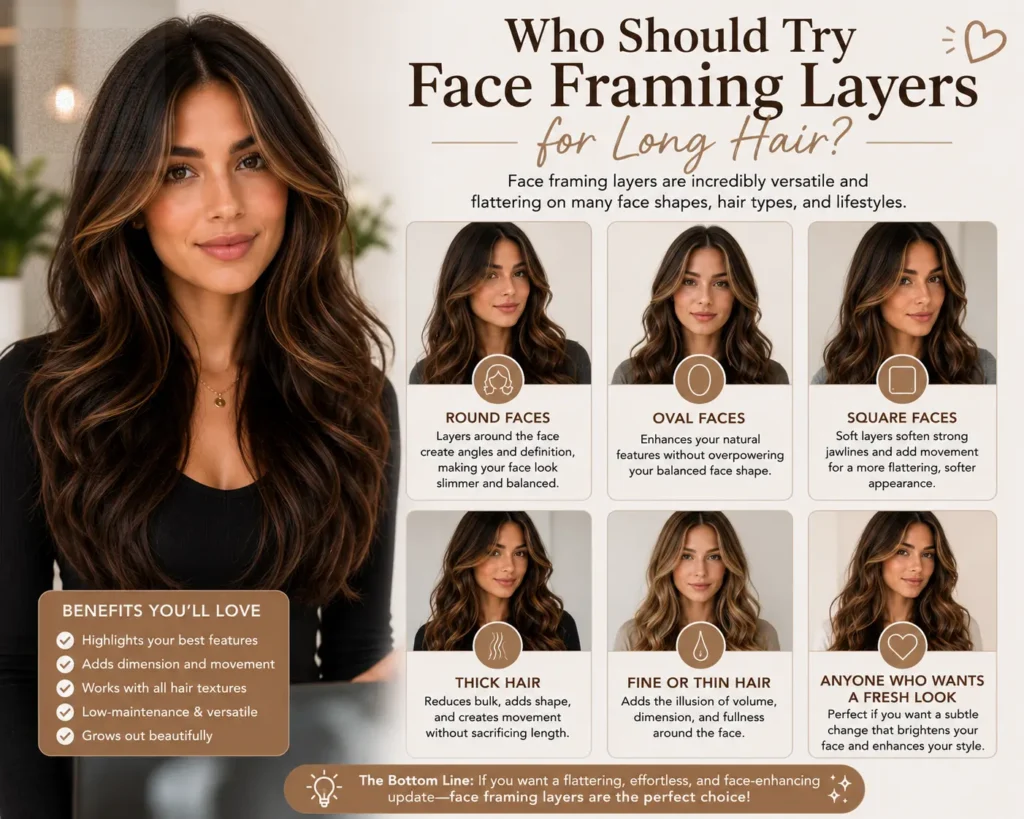
This haircut detail is especially worth trying if:
- your long hair feels too flat around the front
- you want a softer look without losing length
- you love blowouts, waves, or curtain bangs
- you want your long hair to feel fresher and more modern
- you want a noticeable change without a full haircut transformation
Because the change is focused at the front, it is one of the easiest ways to update long hair without doing anything too extreme.
Final Thoughts
Face framing layers for long hair are one of the simplest and prettiest ways to make long hair feel softer, lighter, and more flattering. They add shape right where it matters most and help the whole haircut feel more polished without taking away the length you love.
Whether you prefer straight hair, waves, thick texture, or finer strands, there is a version of face-framing layers that can work beautifully for you. Soft chin-length pieces, jawline framing, curtain bangs, and blended long layers are all strong options depending on the result you want.
If your long hair feels a little too plain or heavy near the front, this might be the perfect update. And because the style is so customizable, it can be tailored to suit your face shape, styling routine, and comfort level.
If you want to keep exploring, the next best reads would be layered haircuts for long hair, face framing layers for round face, or curtain bangs with face framing layers depending on the direction you want to take next.
FAQ Section
Are face framing layers good for long hair?
Yes, face-framing layers are excellent for long hair because they add softness, movement, and flattering shape around the front without taking away much length.
Where should face framing layers start?
They can start at the cheekbones, jawline, chin, or slightly below, depending on your face shape and how subtle or noticeable you want the result to be.
Do face framing layers make long hair look better?
For many people, yes. They help long hair look less heavy and more polished by adding shape around the face.
Are curtain bangs good with long face framing layers?
Yes, curtain bangs pair beautifully with long face-framing layers because they create a soft, blended, and very flattering front shape.
Are face framing layers good for fine hair?
Yes, as long as they are kept soft and blended. Gentle front layers can add shape without making fine hair look too thin.
Can thick hair have face framing layers?
Absolutely. Face-framing layers can make thick long hair feel lighter and less bulky around the face.
Are face framing layers high maintenance?
Not usually. Most face-framing layers are easy to style, although curtain bangs or shorter front sections may need a little extra attention.

Stella Mary is a US-based hair care enthusiast and lifestyle writer at HairInspoHub, sharing trend-forward hairstyle tutorials, styling tips, and healthy hair rituals for women of every hair type. Specializing in Pinterest-inspired looks from bridal updos and effortless braids to heatless waves and sleek ponytails. She blends timeless elegance with everyday practicality. Her mission making gorgeous, confidence-boosting hairstyles accessible to everyone, one tutorial at a time.

4 Comments